
Threads of Tradition: Documenting Kim Hae Ja’s Nubi Craft

Threads of Tradition: Documenting Kim Hae Ja’s Nubi Craft
08/24/26
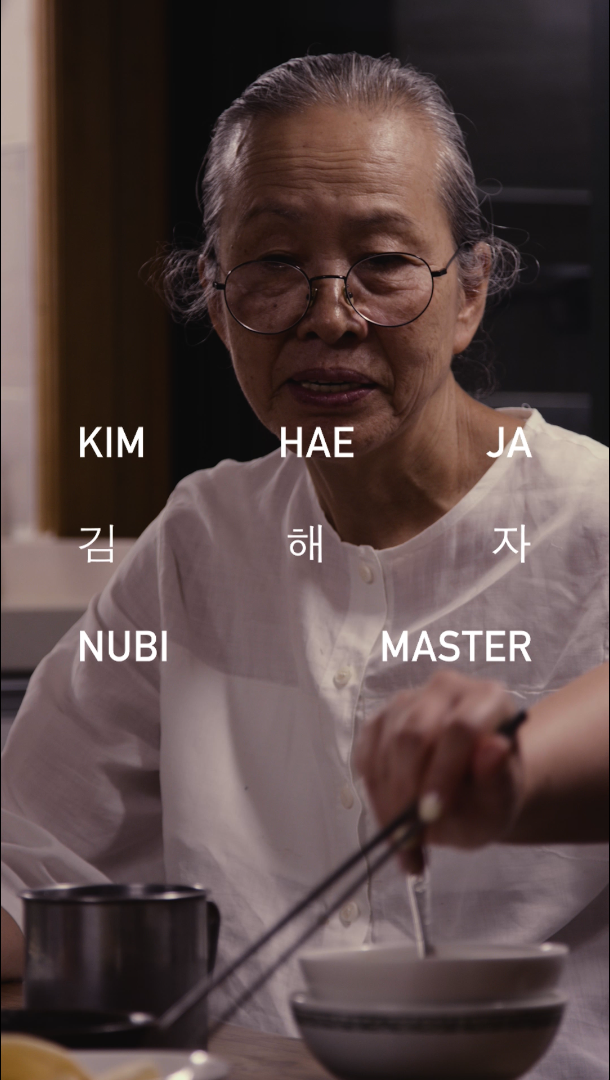
Moktan Productions produced a short vertical documentary for Korean streetwear brand IISE, exploring the traditional Korean craft of nubi (누비) and its influence on the brand’s contemporary fashion.
Founded by second-generation Korean Americans Terrence and Kevin Kim, IISE draws from Korean materials, techniques, and design traditions to create contemporary clothing. For one of its collections, the brand developed a line inspired by nubi, creating an opportunity to look beyond the finished garments and explore the traditional craft behind them.
The film focuses on the late Kim Hae Ja, a master of nubi who was designated as a National Intangible Cultural Heritage for her work. Through her story and the documentation of her craft, the film explores the philosophy, techniques, and traditions that inform this centuries-old practice.
Exploring the Roots of Nubi
Nubi is a traditional Korean quilting technique characterized by layers of fabric stitched together with closely spaced lines of quilting. While the finished material can appear simple, the process requires considerable precision, patience, and technical knowledge.
For IISE, nubi provided more than a visual reference. The craft became a foundation for exploring how traditional Korean techniques could be interpreted through contemporary fashion.
Rather than focusing exclusively on the modern clothing, the documentary traces the connection back to the traditional practice itself, allowing the audience to understand the cultural and technical foundation behind the collection.
Documenting Kim Hae Ja’s Craft
At the centre of the film is the work of the late Kim Hae Ja, whose mastery of nubi represents a significant part of Korea’s traditional textile heritage.
The documentary focuses on the philosophy and process behind her work, showing the level of care and precision involved in creating nubi. By documenting the craft within its traditional context, the film presents nubi as a living practice rather than simply a design motif.
This approach also provides context for IISE’s interpretation of the technique, connecting the brand’s contemporary designs to the people and knowledge behind the tradition.

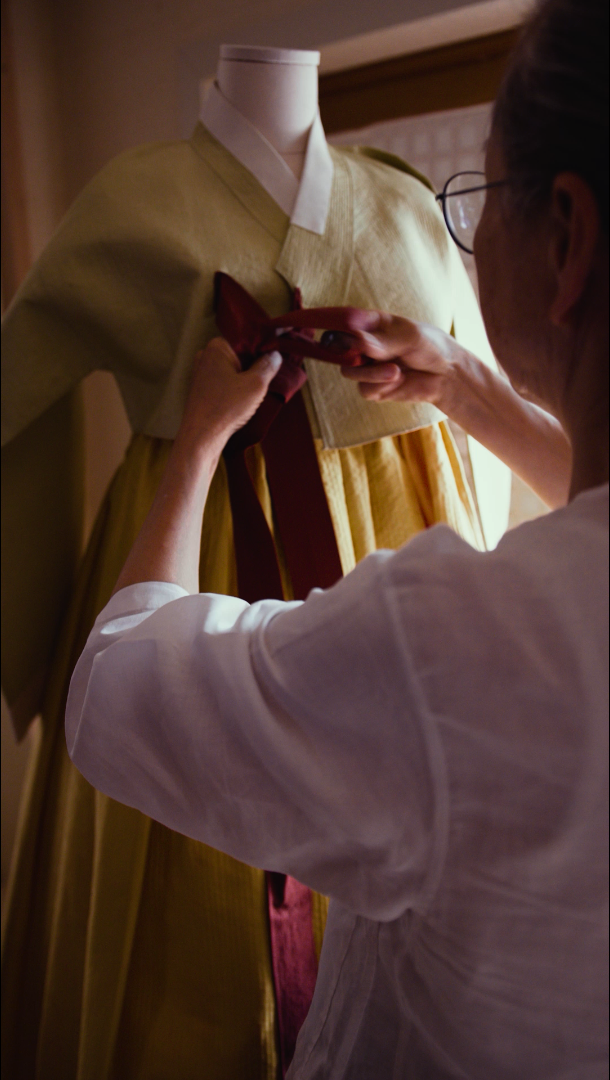
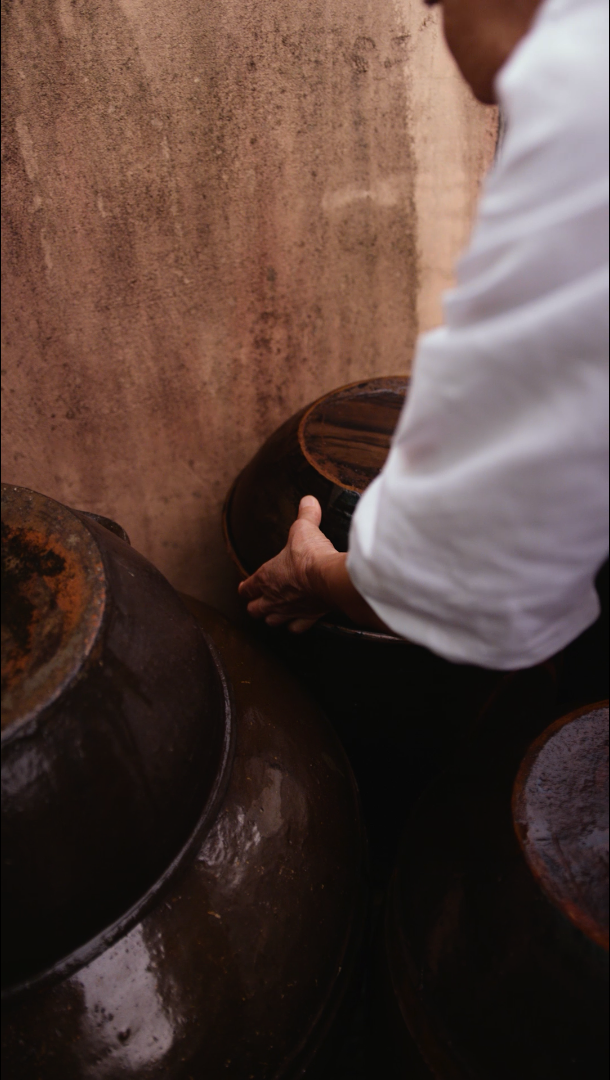
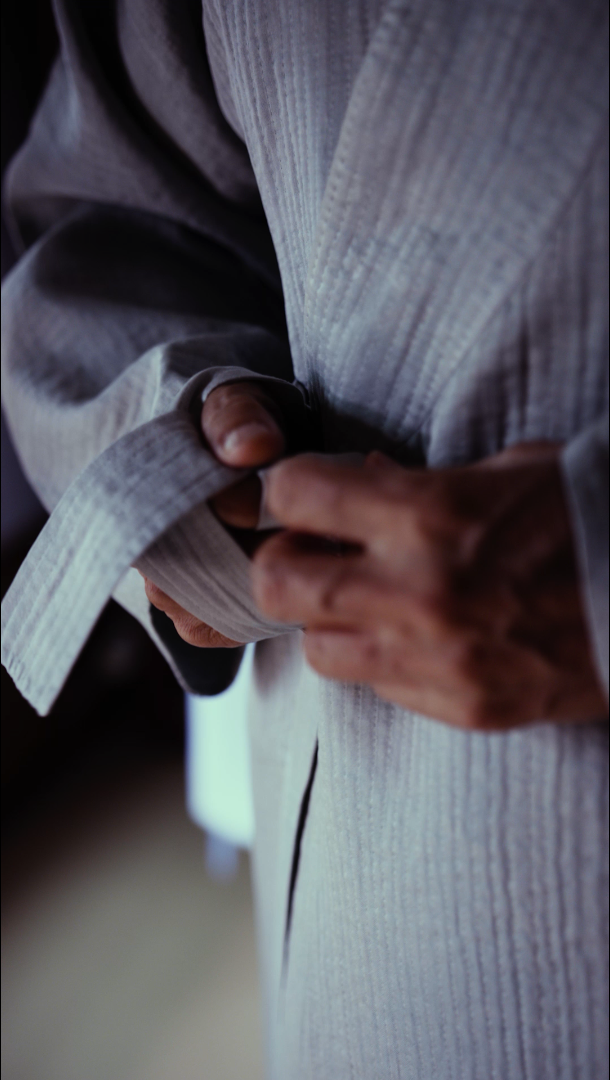

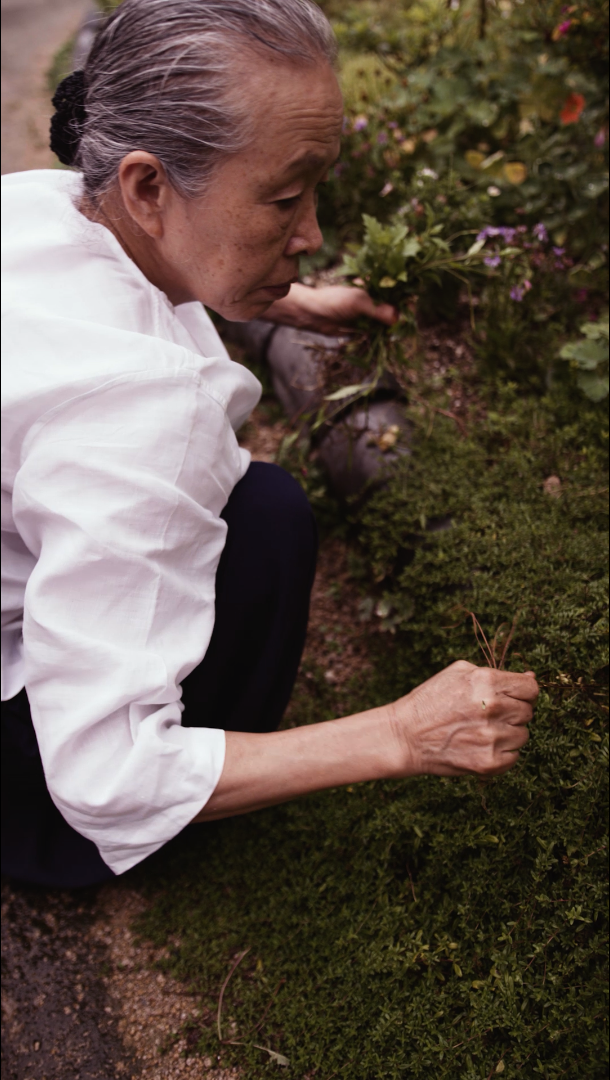
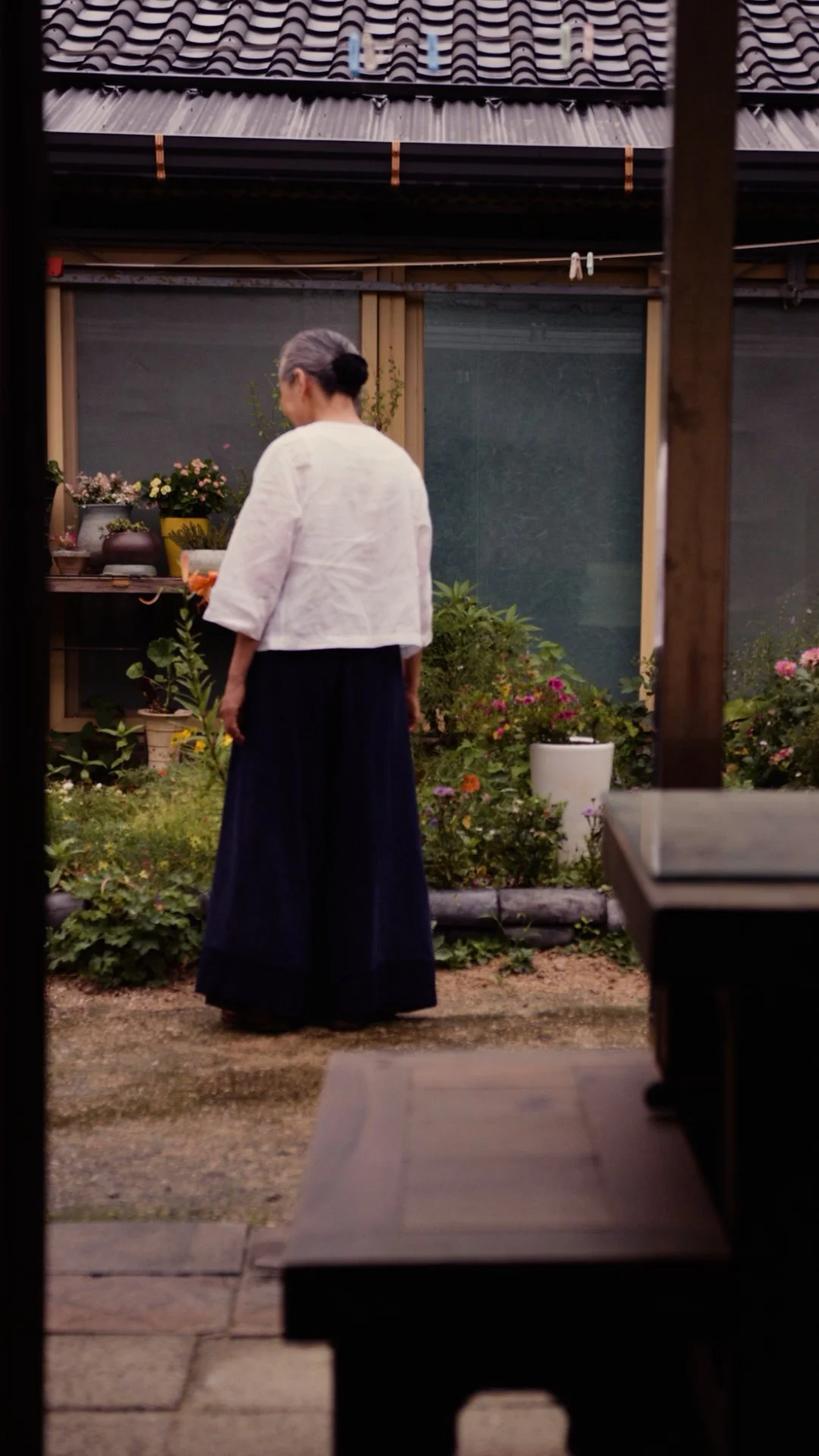
Master Kim’s workshop in Gyeongju
Filming in Rural Gyeongju
Production took place at Kim Hae Ja’s workshop in rural Gyeongju, providing an environment closely connected to the practice being documented.
Filming on location allowed the production to capture not only the process itself, but also the atmosphere surrounding the craft. The workshop, materials, tools, and working environment became part of the visual story.
The location also created a contrast with IISE’s contemporary streetwear identity. Moving between traditional craftsmanship and modern fashion, the film visually reinforces the relationship between heritage and reinterpretation.
Capturing Process and Detail
Because nubi is defined by meticulous handwork, close attention was given to the details of the process. The documentary captures the materials, techniques, and repetitive movements involved in creating the textile.
These details are particularly important in a short-form documentary, where visual storytelling needs to communicate the complexity of a craft within a limited amount of time.
The vertical format was designed for digital platforms, allowing the film to bring viewers close to the materials and process while maintaining a direct connection to the contemporary audience of the IISE brand.
Connecting Heritage and Contemporary Fashion
One of the central ideas behind the project is the relationship between traditional Korean craftsmanship and contemporary design.
IISE’s approach is rooted in taking elements of Korean culture and reconsidering them through a modern fashion context. The nubi collection reflects this approach by drawing from an established traditional technique while incorporating it into contemporary clothing.
The documentary provides the cultural and historical context behind that process, showing how a traditional craft can continue to influence new forms of creative expression.
Visual Storytelling for Cultural and Fashion Projects
The project demonstrates the value of documentary filmmaking in providing deeper context for fashion and design. Rather than simply presenting the final collection, the film explores the people, techniques, and cultural traditions that inform it.
Moktan Productions handled the on-location production, focusing on documenting the craft, its environment, and the story behind IISE’s use of nubi.
Through projects that connect fashion, culture, and traditional Korean craftsmanship, Moktan continues to create visual content that presents contemporary ideas while maintaining a strong connection to their cultural origins.
