Scaling to Fit the Story: How Moktan Productions Adapts to Every Scale of Production
Scaling to Fit the Story: How Moktan Productions Adapts to Every Scale of Production
9/8/26
One of Moktan Productions’ biggest advantages is our ability to scale a production to fit the specific needs of each project.
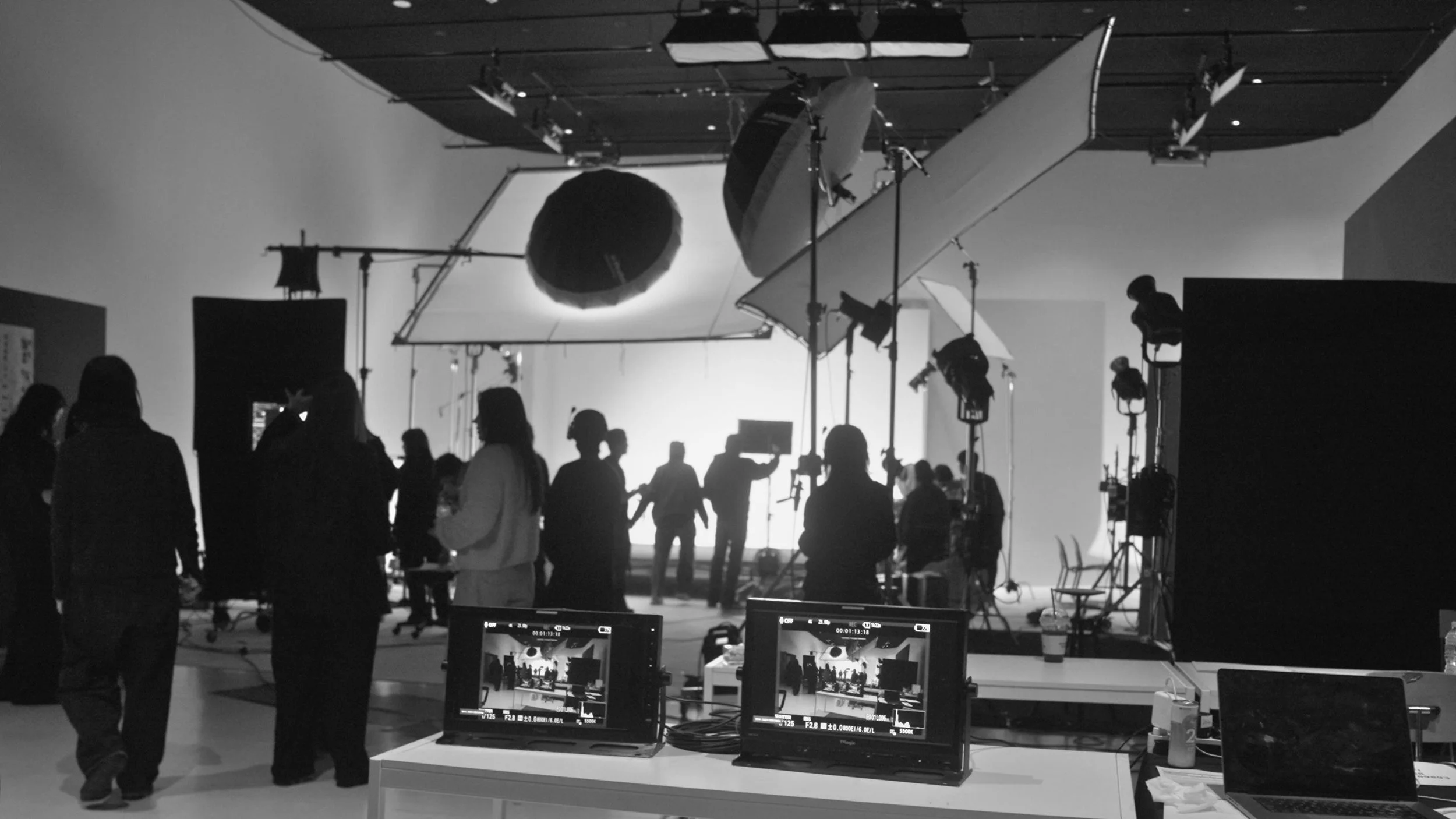
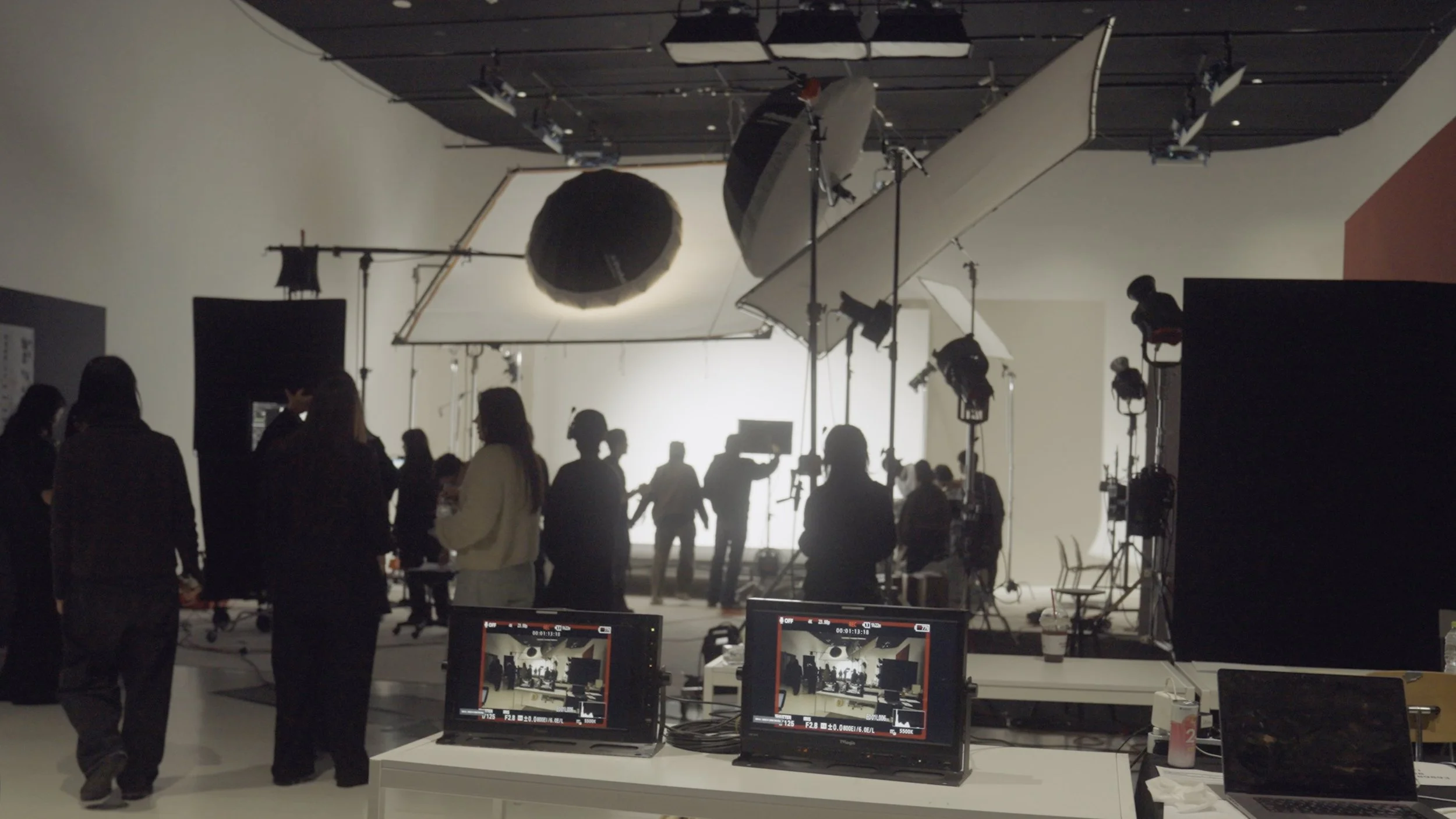
Video production does not have a standard size. Some projects require a single highly skilled videographer working quickly and independently. Others are best served by a small, flexible crew of three to five people. Larger commercial, branded, event, or international productions may require dozens of crew members, multiple departments, extensive equipment packages, and complex coordination.
Moktan is structured to operate across this entire range.
From lean, efficient shoots to productions involving more than 40 crew members, we build each team around the creative, technical, and practical requirements of the project. This flexibility allows us to match the right level of production to each client’s vision, budget, schedule, and location.
A Modular Approach to Production
At the center of this flexibility is Moktan’s modular production structure.
Our core in-house team provides a consistent foundation across projects, including producers who oversee planning, communication, coordination, and execution. Around this core, we can scale individual departments according to the needs of the production.
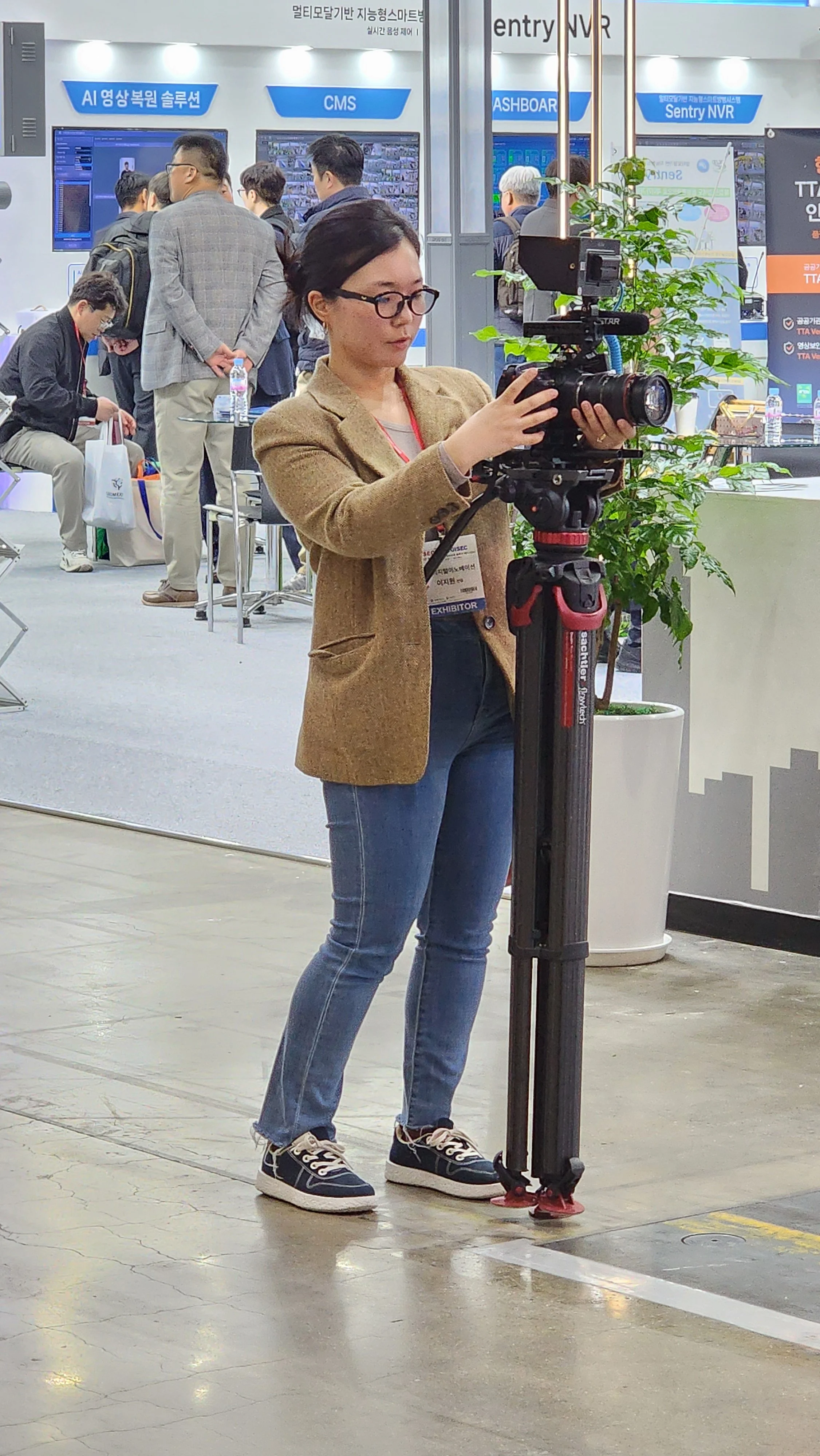
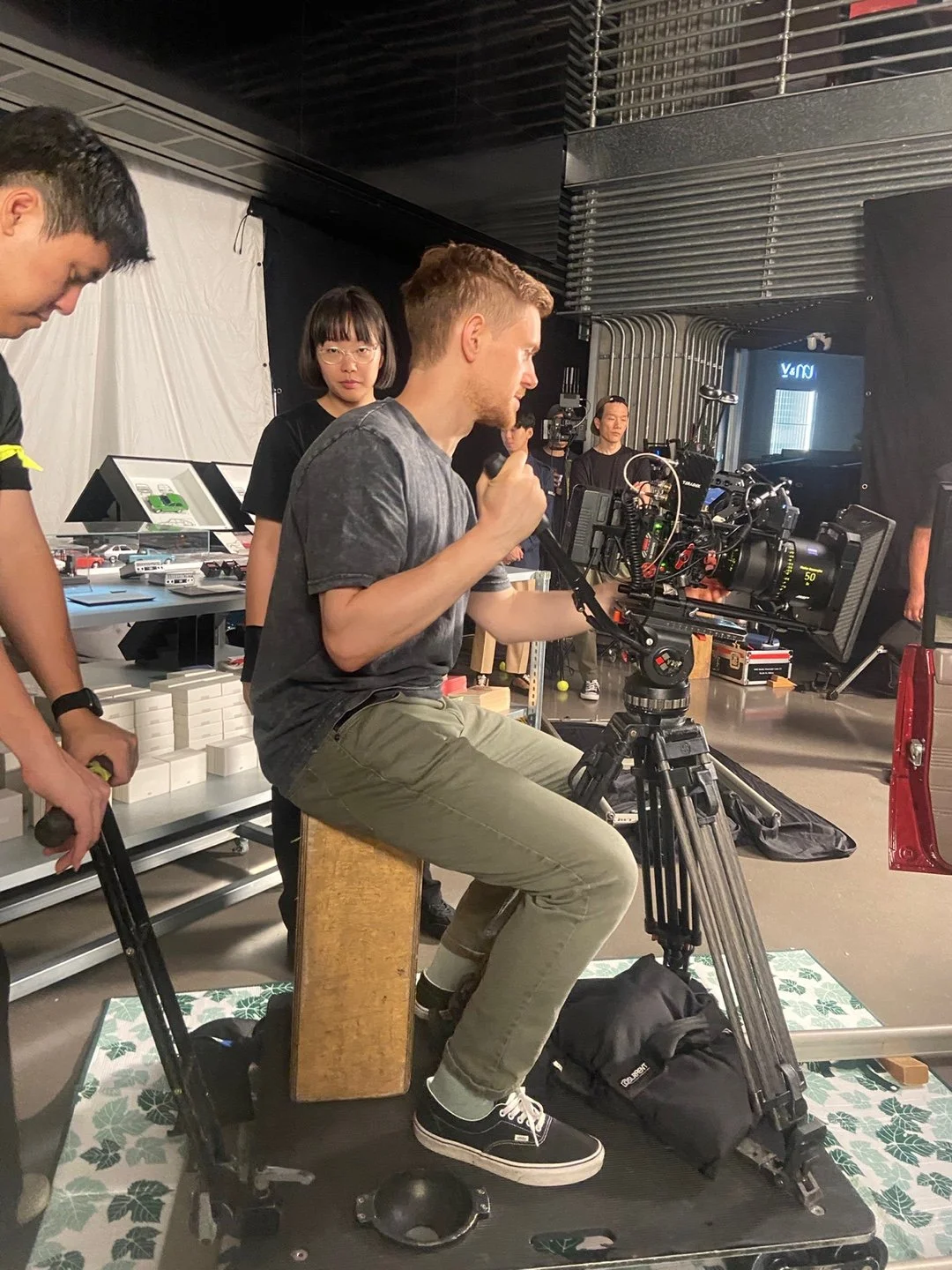
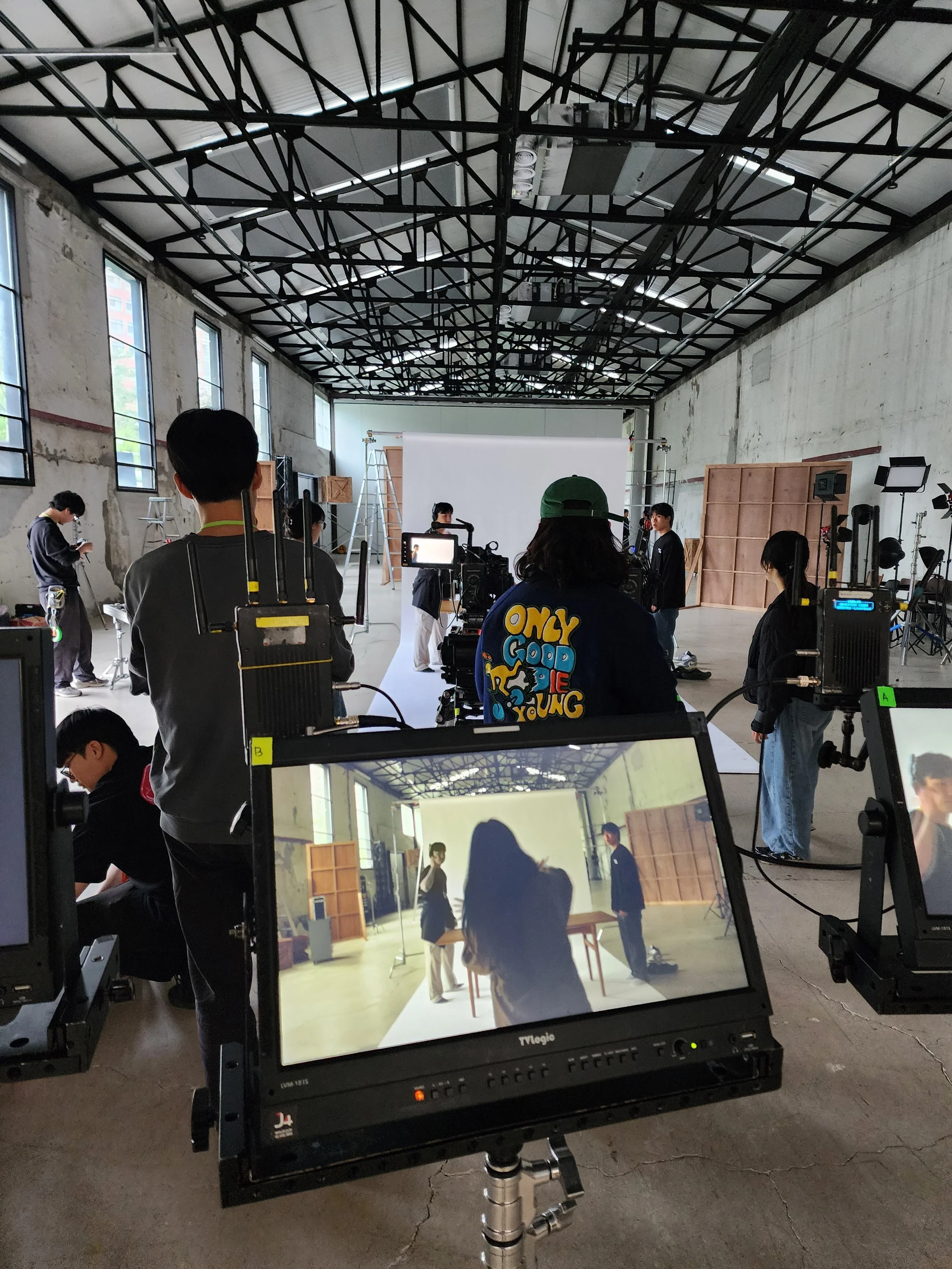
A project may require additional camera operators, assistants, gaffers, grips, production assistants, stylists, hair and makeup artists, sound recordists, drone operators, set teams, or other specialists. Instead of building every project around a fixed number of people, we bring in the personnel and services that are genuinely needed.
This allows the production to expand when required and remain lean when it is not.
The result is a team designed specifically for the project rather than a project forced into a predetermined production structure.
A Network Built on Long-Term Collaboration
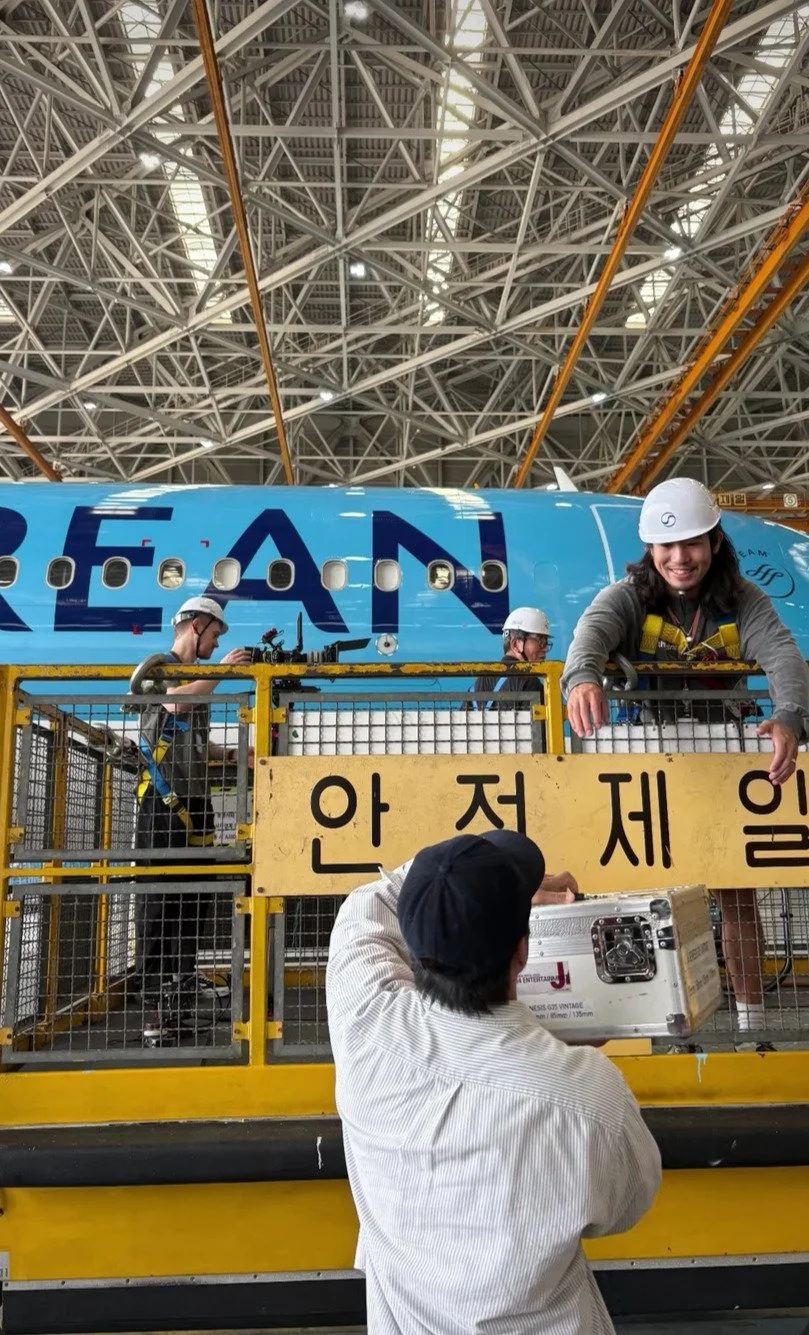
Beyond our core team, Moktan has developed a wide network of skilled freelancers, partner production companies, and specialist service providers across the Korean production industry.
Many of these collaborators have worked with us repeatedly over several years.
This is an important part of how we scale efficiently. Expanding a crew does not mean assembling a group of strangers who are working together for the first time. We frequently work with people who understand our production approach, communication style, and expectations.
That familiarity creates efficiency on set.
On larger productions, different departments must work together closely. Camera, lighting, sound, art, transportation, locations, talent, and production management all depend on clear communication. Long-term working relationships can help reduce the friction that sometimes comes from bringing together crews with completely different working styles or expectations.
Our role is to bring these collaborators together around a shared production plan.
Moktan as the Center of a Scalable Production Team
As productions grow, coordination becomes increasingly important.
Our in-house producers act as the central point connecting the client, creative team, core crew, freelance departments, and external production partners. This allows Moktan to build larger, multi-department teams while maintaining a clear structure and consistent flow of communication.
Each project may involve different specialists, but the overall production remains connected through a central team that understands the project from beginning to end.
This approach allows us to bring together different areas of expertise without losing the sense of a cohesive production.
Whether the final team consists of three people or more than 40, the objective remains the same: build an efficient group where every person understands their role and how their work connects to the wider production.
Scaling Down Is as Important as Scaling Up
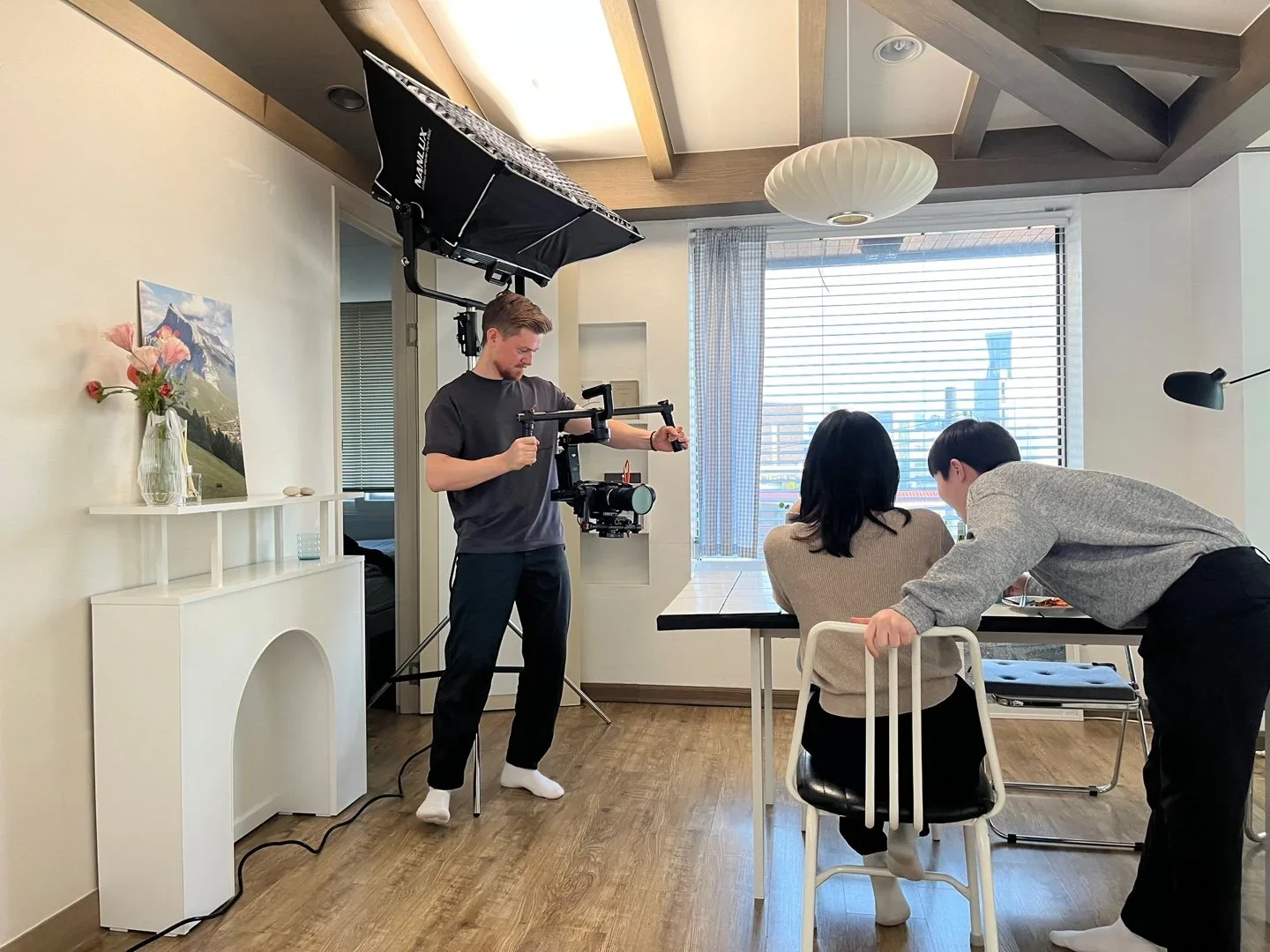
The ability to scale is not only about building bigger crews.
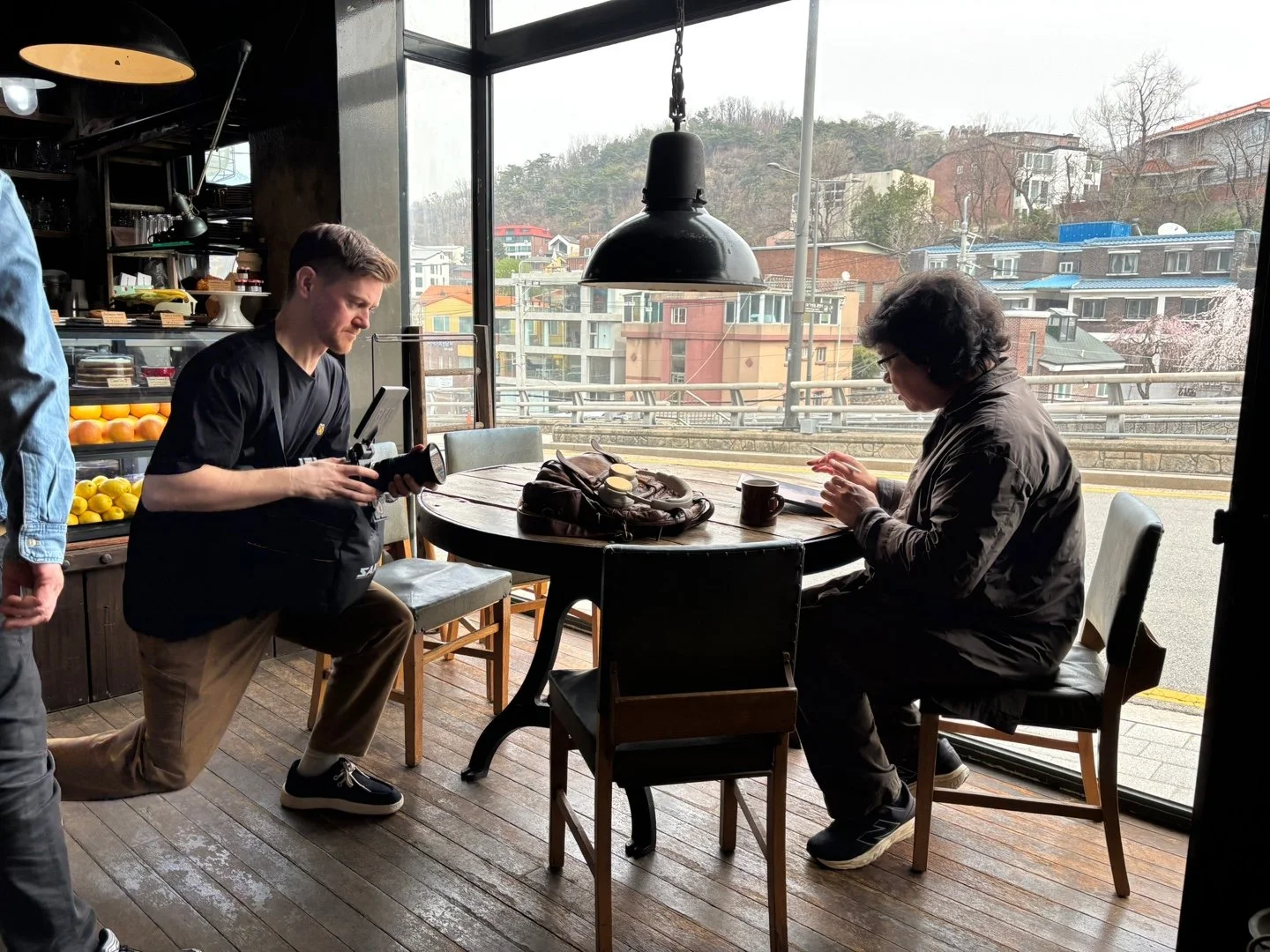
Knowing when to keep a production small is equally important. Documentary projects, artist films, interviews, sensitive locations, small studios, and fast-moving shoots often benefit from a smaller footprint. A large crew can be unnecessary or even counterproductive in these environments.
One of Moktan’s strengths is the versatility of both our in-house team and our regular collaborators. Many are able to take on multiple responsibilities effectively, allowing us to build small but highly capable teams without compromising the quality of the production.
Depending on the project, a producer may also take on additional on-set responsibilities, while experienced crew members may operate across multiple areas of production. This creates teams that are lean, adaptable, and capable of achieving a great deal with fewer people.
A small production can move quickly, adapt more easily, reduce disruption, and operate more efficiently within a limited budget. The key is understanding what the project actually requires.
Scaling a production correctly means avoiding both extremes: neither under-resourcing a project nor adding unnecessary people, equipment, and costs. The goal is to build a team that is as small as practical, but as capable as necessary.
The Right Equipment for the Right Production
This same approach applies to equipment.
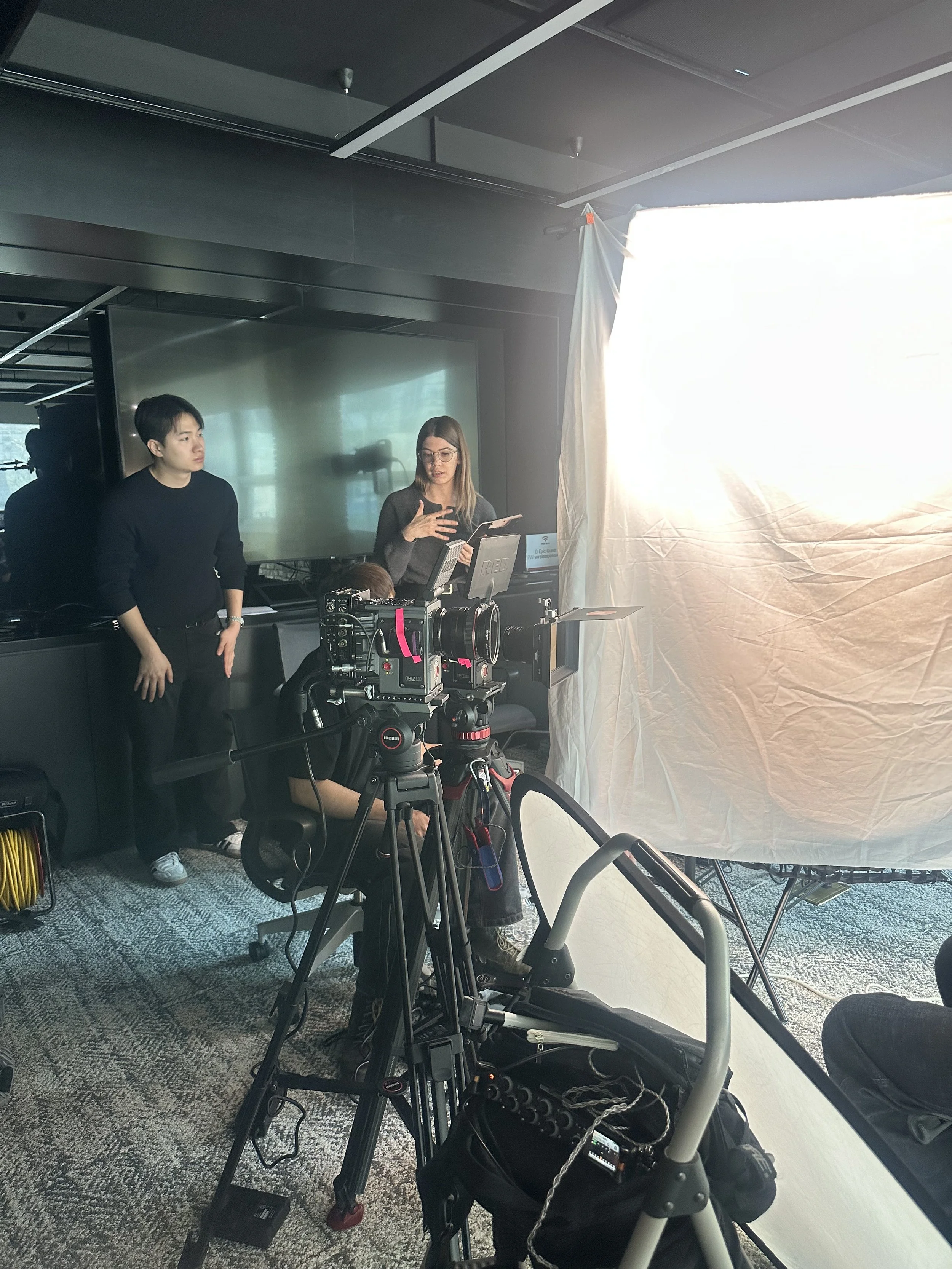
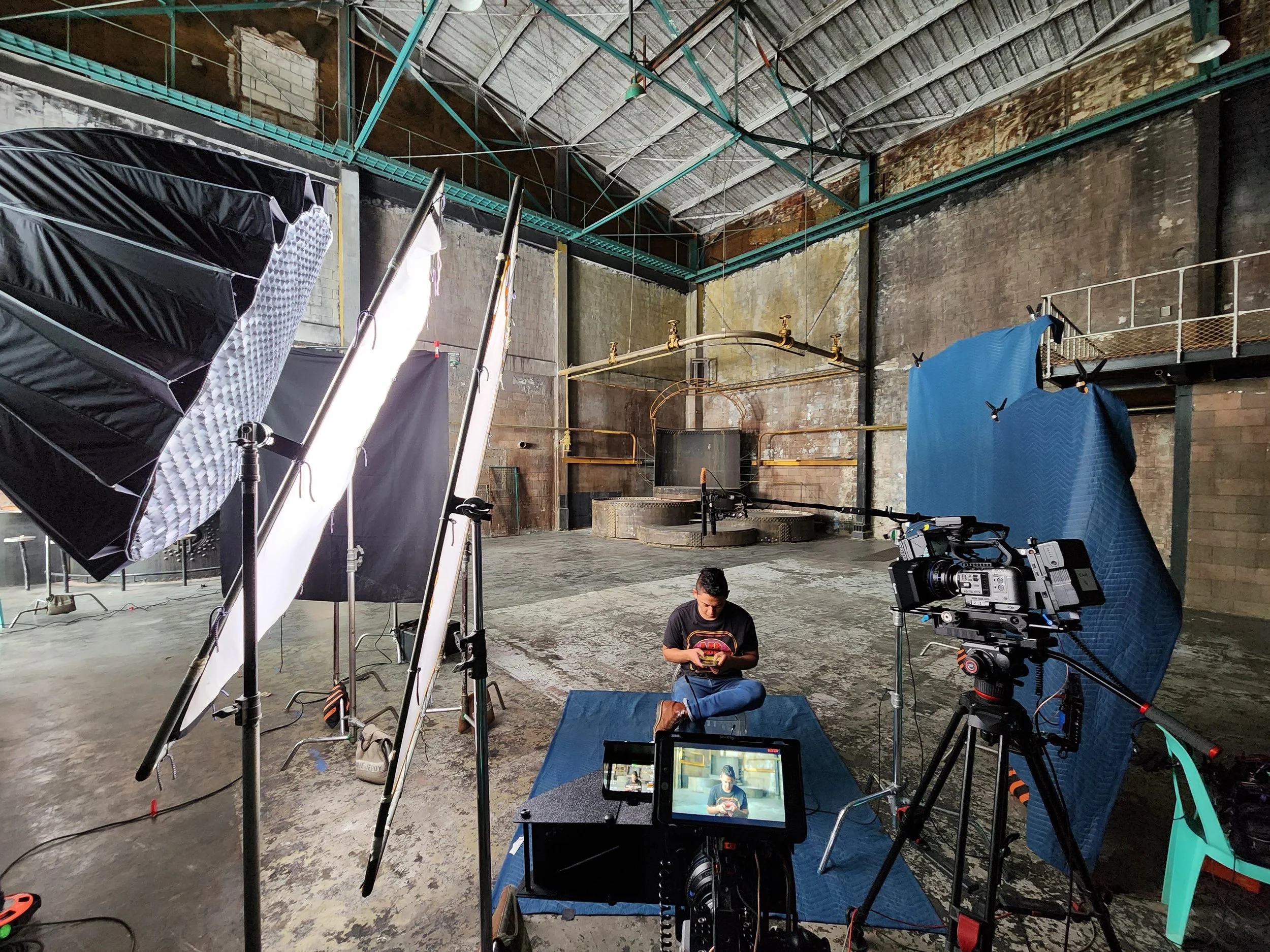
Across our productions, Moktan has worked with a wide range of camera systems, lighting packages, and production equipment. Depending on the project, a shoot may be built around compact Sony FX3 camera systems or larger cinema camera packages including ARRI systems.
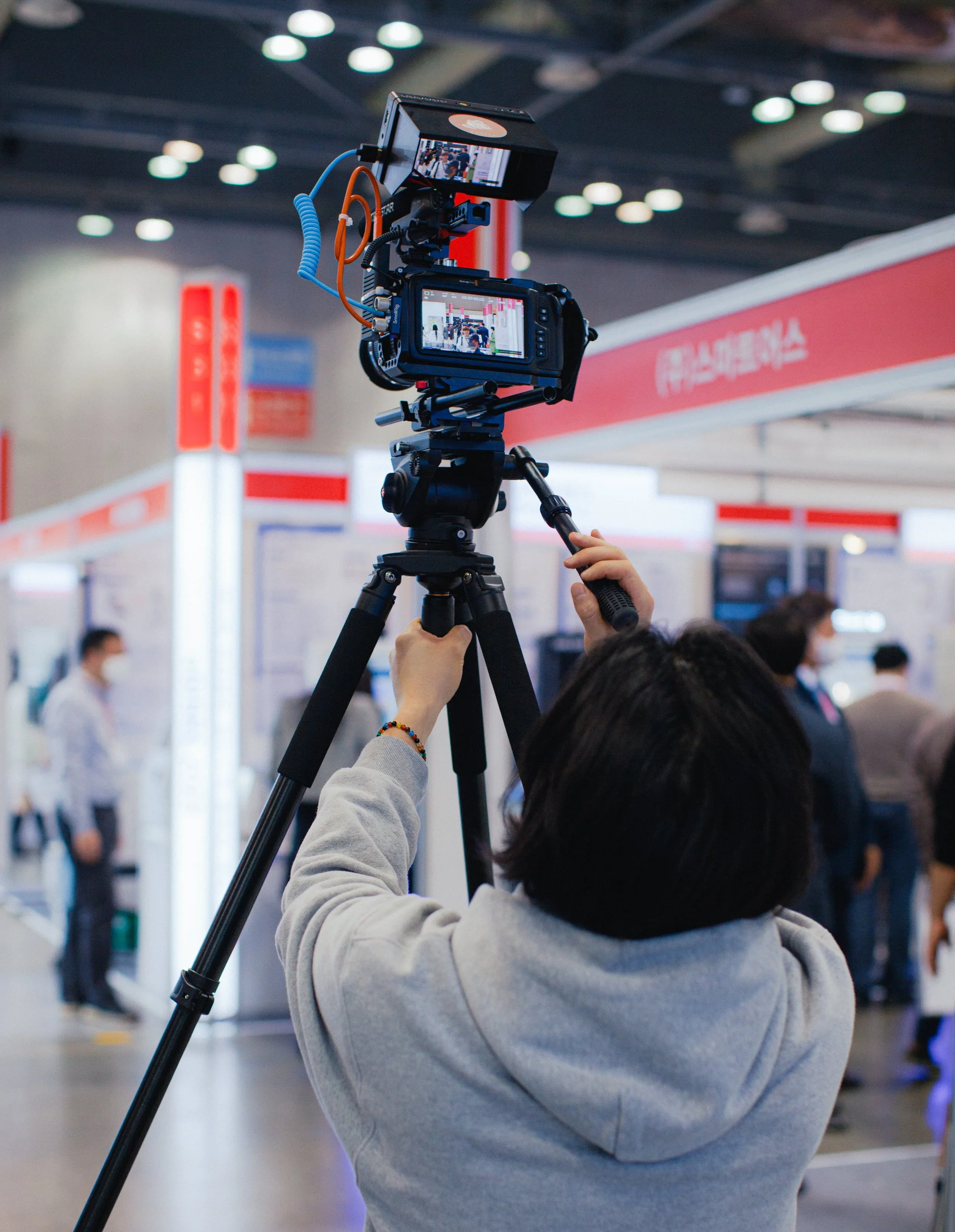
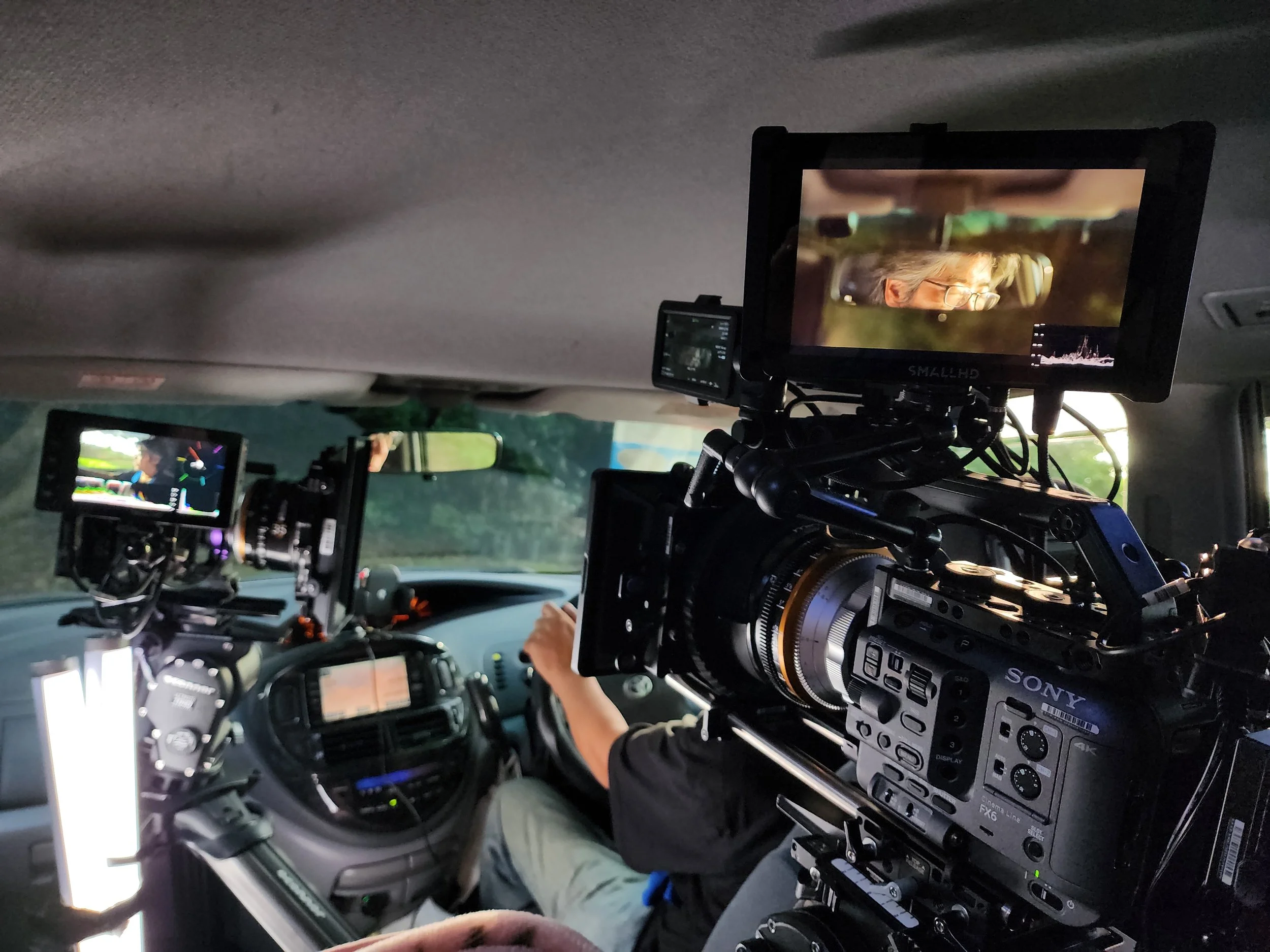
Lighting requirements can range from lightweight, portable Amaran fixtures to significantly larger lighting packages designed for commercial-scale productions. Camera movement may involve handheld operation, gimbals, tripods, dollies, cranes, or more complex camera rigs.
There is no single equipment package that is right for every production.
The goal is to select the tools that best support the intended image and working environment. A large camera package may be appropriate for a highly controlled commercial shoot, while a smaller and more mobile system may be essential for a documentary, event, or artist-focused production.
Technical decisions are therefore part of the larger production strategy.
Starting With the Client’s Vision
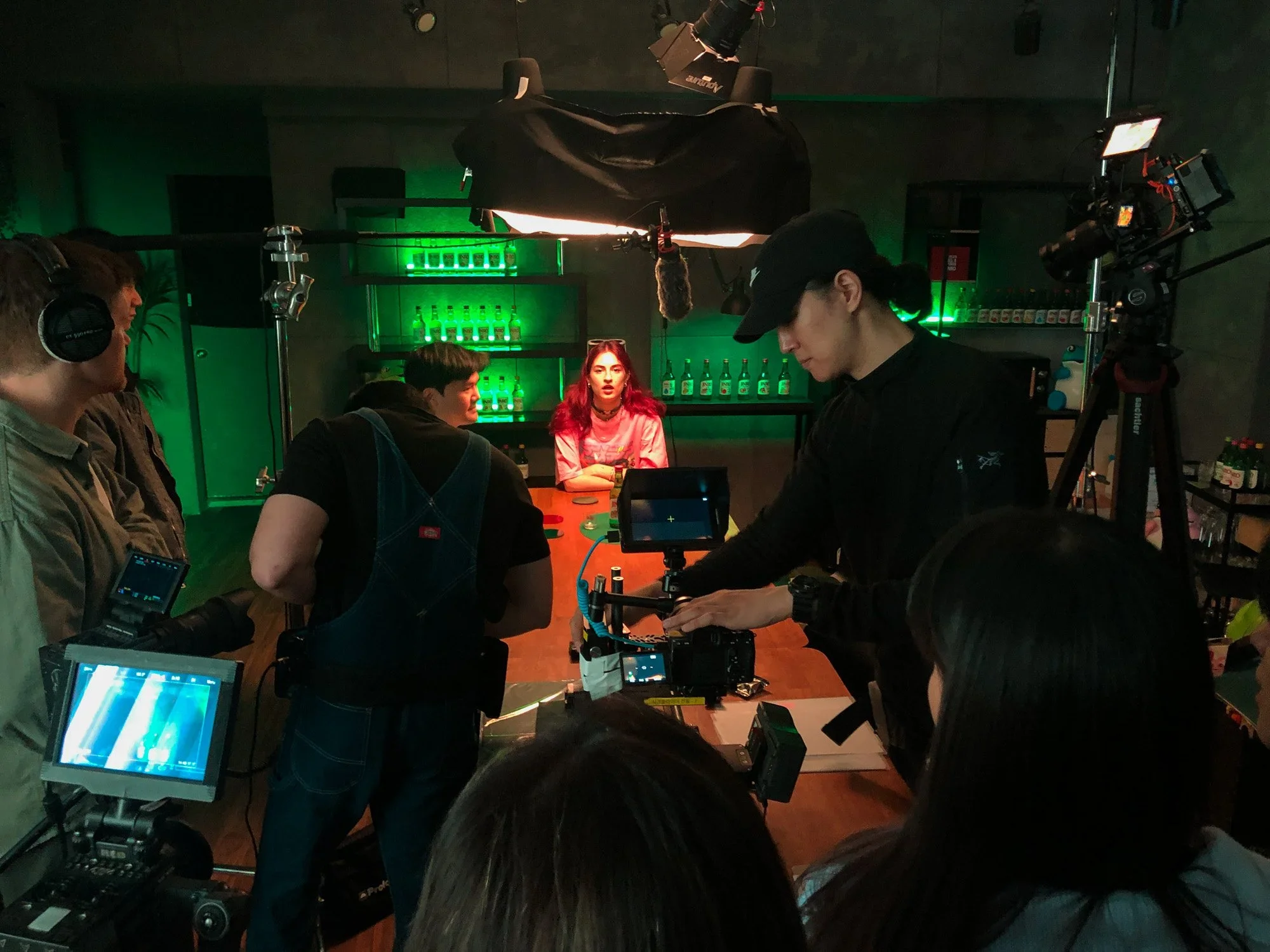
Every project begins with the same fundamental question: what are we trying to achieve?
Before deciding on crew size, equipment, or production structure, we work to understand the client’s creative vision and practical requirements. What does the final film need to feel like? What technical demands does the project have? What are the limitations of the location, schedule, and budget?
From there, we can offer production insight and recommend the most effective way to achieve the desired result.
Sometimes that means simplifying the original approach. Sometimes it means identifying areas where additional crew or equipment will make a meaningful difference. The objective is not to create the largest production possible. It is to create the right production.
This is where experience across different scales becomes valuable.
Having worked on both compact and complex productions allows us to assess what is necessary, what is optional, and where resources will have the greatest impact.
Competitive Production Without Unnecessary Overhead
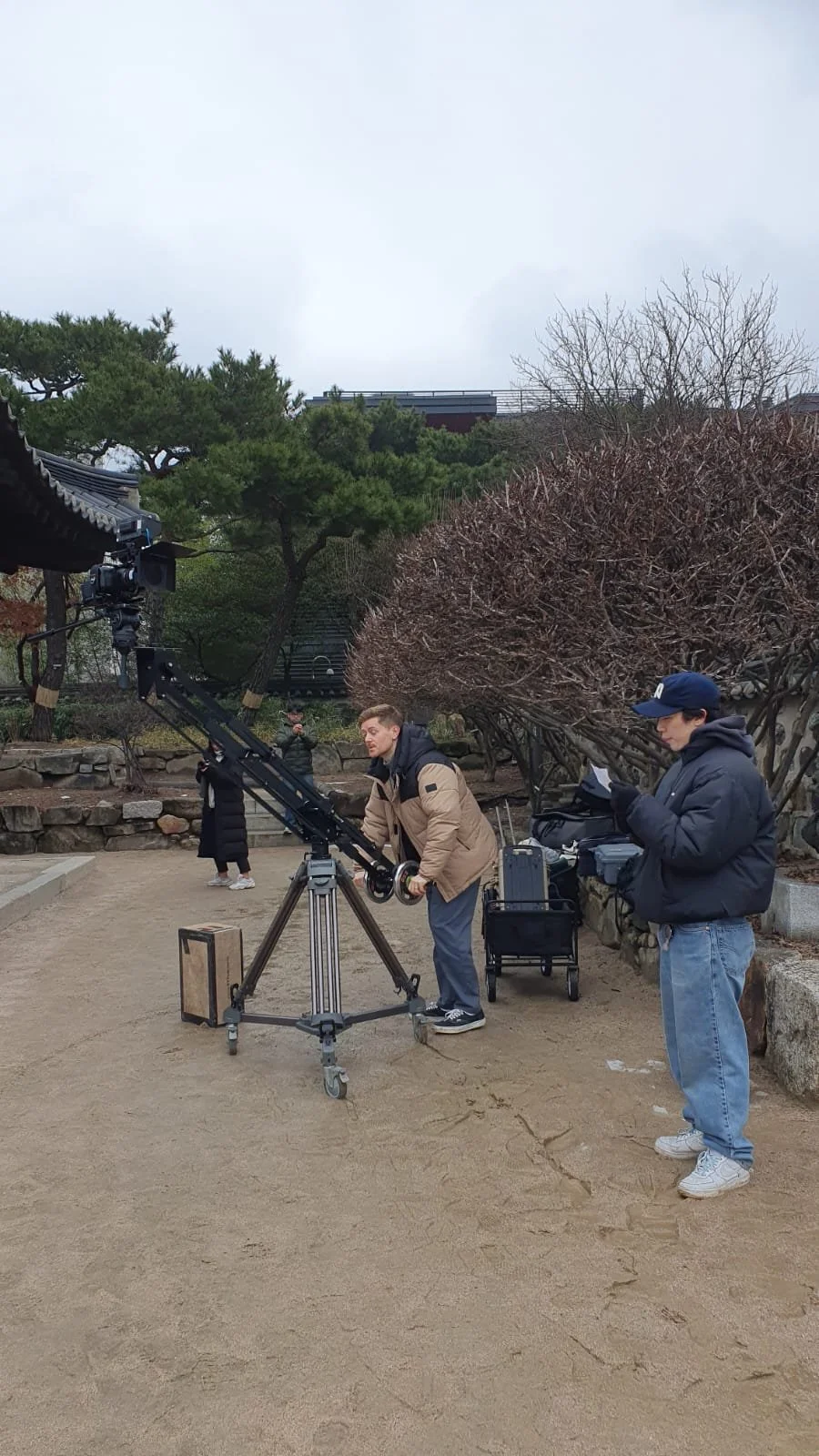
The ability to scale precisely also allows Moktan to offer highly competitive production rates.
Production budgets are often affected by unnecessary overhead. A fixed production structure can lead to crews, equipment, or services being included because they are part of a standard package rather than because the specific project requires them.
Our approach is more flexible.
By building the production around the actual requirements of the project, we can keep smaller productions lean while expanding larger ones with the appropriate departments and resources.
This allows clients to invest their budgets where they matter most.
Competitive pricing does not mean reducing the quality of the production. It means understanding how to allocate resources efficiently and avoid spending money where it does not contribute meaningfully to the final result.
Working With Other Production Teams
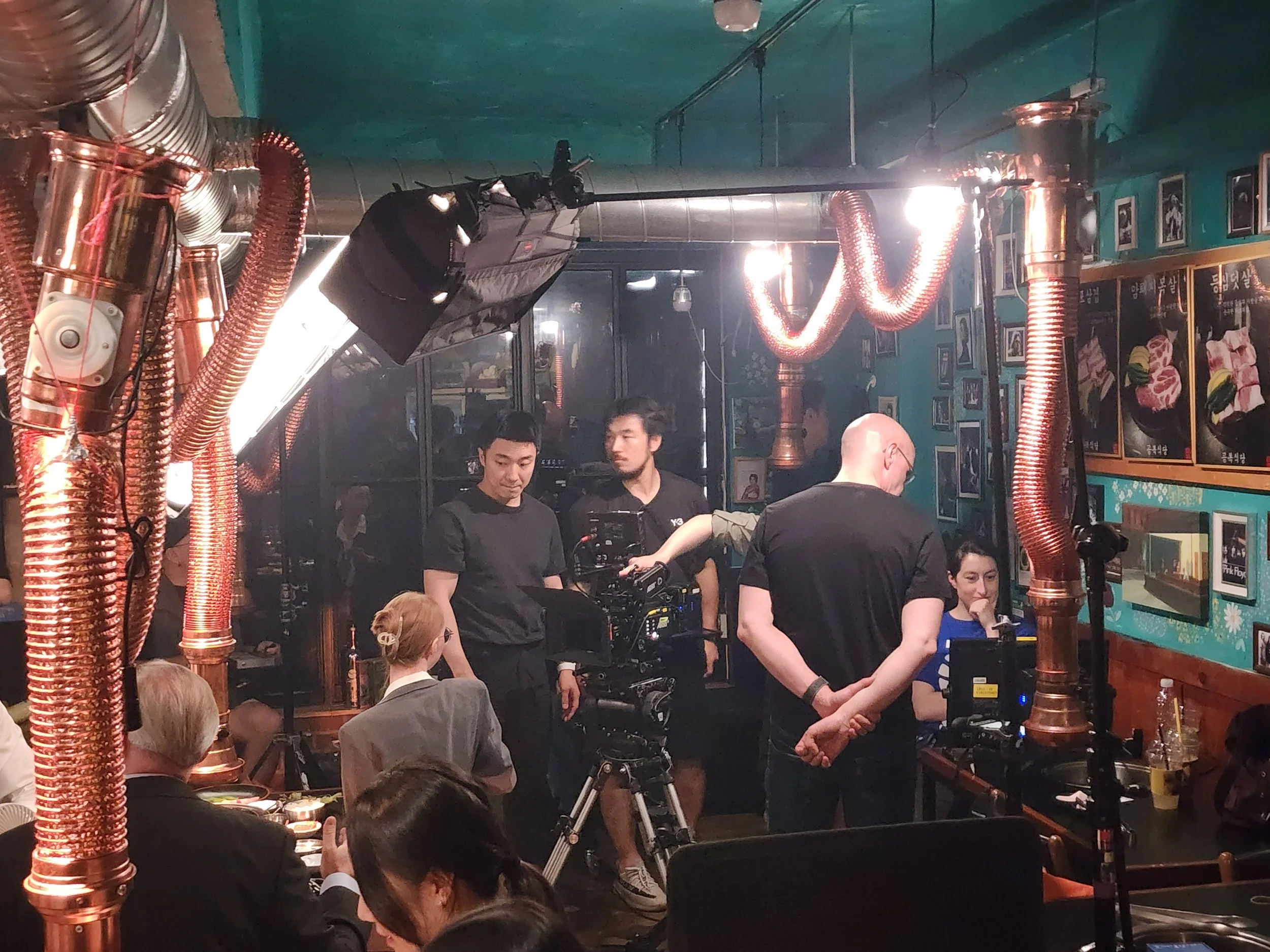
Our flexibility also extends to how we work within larger production structures.
Moktan can lead a complete production from pre-production through post-production, but we also regularly work alongside other production companies, creative agencies, international teams, and specialist crews.
Depending on the project, Moktan may serve as the primary production company, provide local production support, manage specific departments, or become part of another production team.
This ability to integrate into different structures is particularly valuable for international productions filming in Korea.
An overseas production company may travel with its own director, DOP, producer, or creative team while relying on Moktan to build and manage the Korean crew around them. Alternatively, Moktan may take responsibility for a complete local production, coordinating everything required on the ground.
We are comfortable operating within both models.
The Same Approach at Every Scale
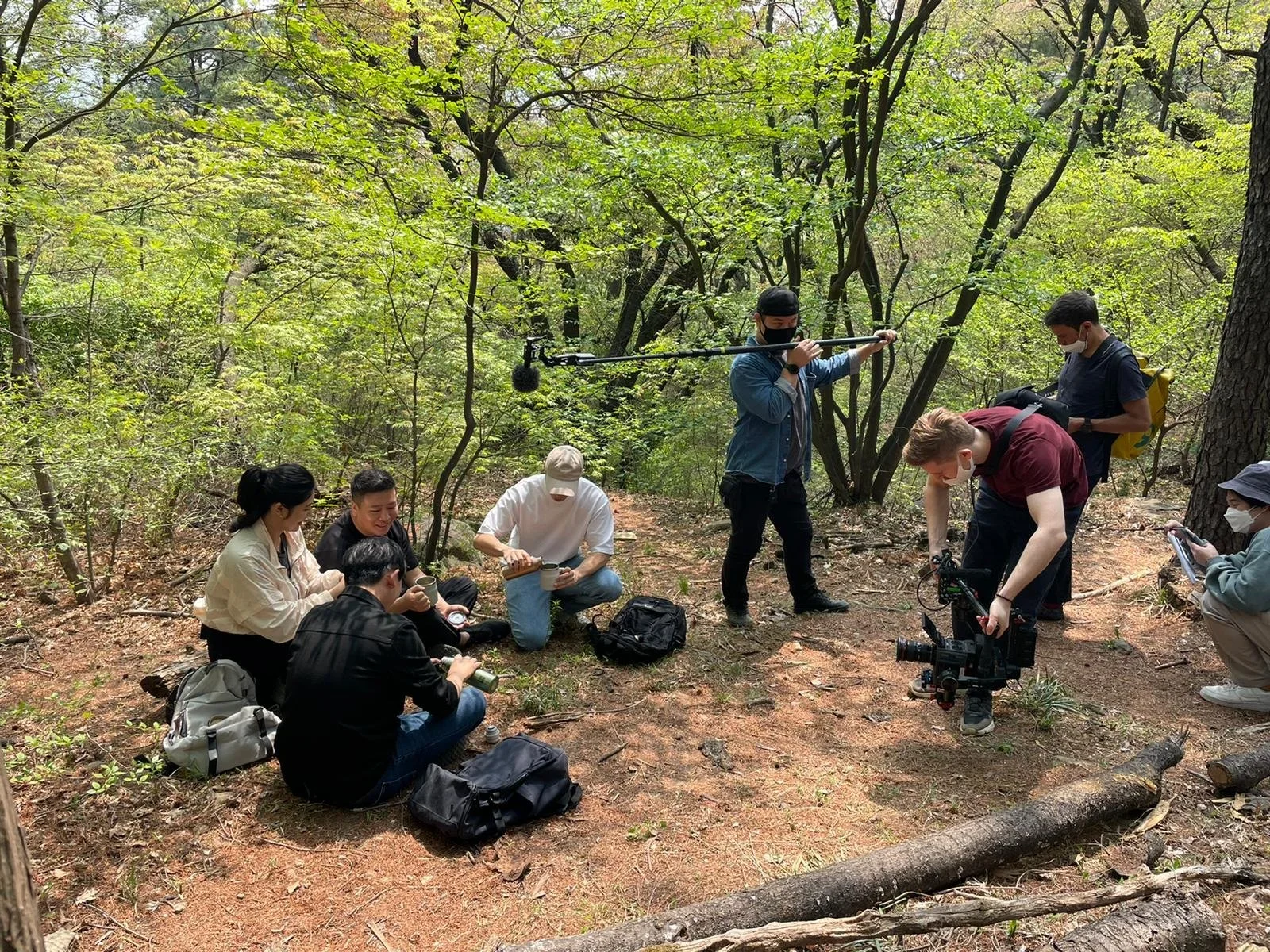
Whether Moktan is filming with a single operator or coordinating a crew of more than 40 people, our underlying approach remains the same.
We begin by understanding the creative objective. We assess the practical requirements. We build the appropriate team and equipment package. We plan carefully, communicate clearly, and remain adaptable throughout the production.
The scale may change.
The process does not.
A small shoot deserves the same attention to detail as a major production. A larger production requires more coordination, but it is still built around the same principles of preparation, efficiency, communication, and visual storytelling.
Production Built Around the Project
For Moktan, scalability is ultimately about adaptability.
Every production has its own creative demands, budget, schedule, location, and working environment. Our role is to understand those requirements and build the right production around them.
Sometimes that means one person with a camera. Sometimes it means a compact team moving quickly through a difficult location. Sometimes it means coordinating dozens of specialists, multiple departments, large equipment packages, and complex production requirements.
Our structure allows us to do all three.
By combining an experienced core team with a wide network of trusted collaborators, production partners, specialists, and service providers, Moktan can adapt to productions of almost any scale without losing the efficiency and communication that define how we work.
Whatever the size of the project, the goal remains the same: to understand the vision, find the most effective way to achieve it, and build a production that delivers the strongest possible result.