
Why Location Scouts Matter: Finding the Right Location Before the Cameras Roll
Why Location Scouts Matter: Finding the Right Location Before the Cameras Roll
9/21/26
A location can play a defining role in a video production.
It can shape the visual identity of a film, determine how a crew works, affect the quality of sound, influence the amount of equipment required, and introduce practical limitations that are impossible to understand fully from a photograph or online listing.
A beautiful location is not necessarily a suitable filming location.
For Moktan Productions, location scouting is an essential part of pre-production. It allows us to evaluate a space before the shoot, identify potential problems, and determine what will be required to turn a location into an effective filming environment.
A good location scout can save time, reduce unnecessary costs, and prevent unexpected problems on the day of production.
Starting With the Client’s Vision
The location scouting process begins with understanding what the client needs.
A client may provide a detailed storyboard, a mood board, reference images, or simply a general description of the environment they are looking for. They may need a restaurant, workshop, office, street, studio, home, factory, market, or a particular type of outdoor environment.
Our first task is to translate that creative direction into practical location requirements.
We consider the visual qualities the project needs, but also the scale of the shoot and the technical requirements involved. A location may need to accommodate a large camera setup, lighting equipment, talent, sound recording, or a full production crew. Other projects may require a compact location where a small team can work discreetly.
Understanding the production requirements from the beginning helps us focus the search.

The Virtual Recce
The first stage of a location search can often take place remotely.
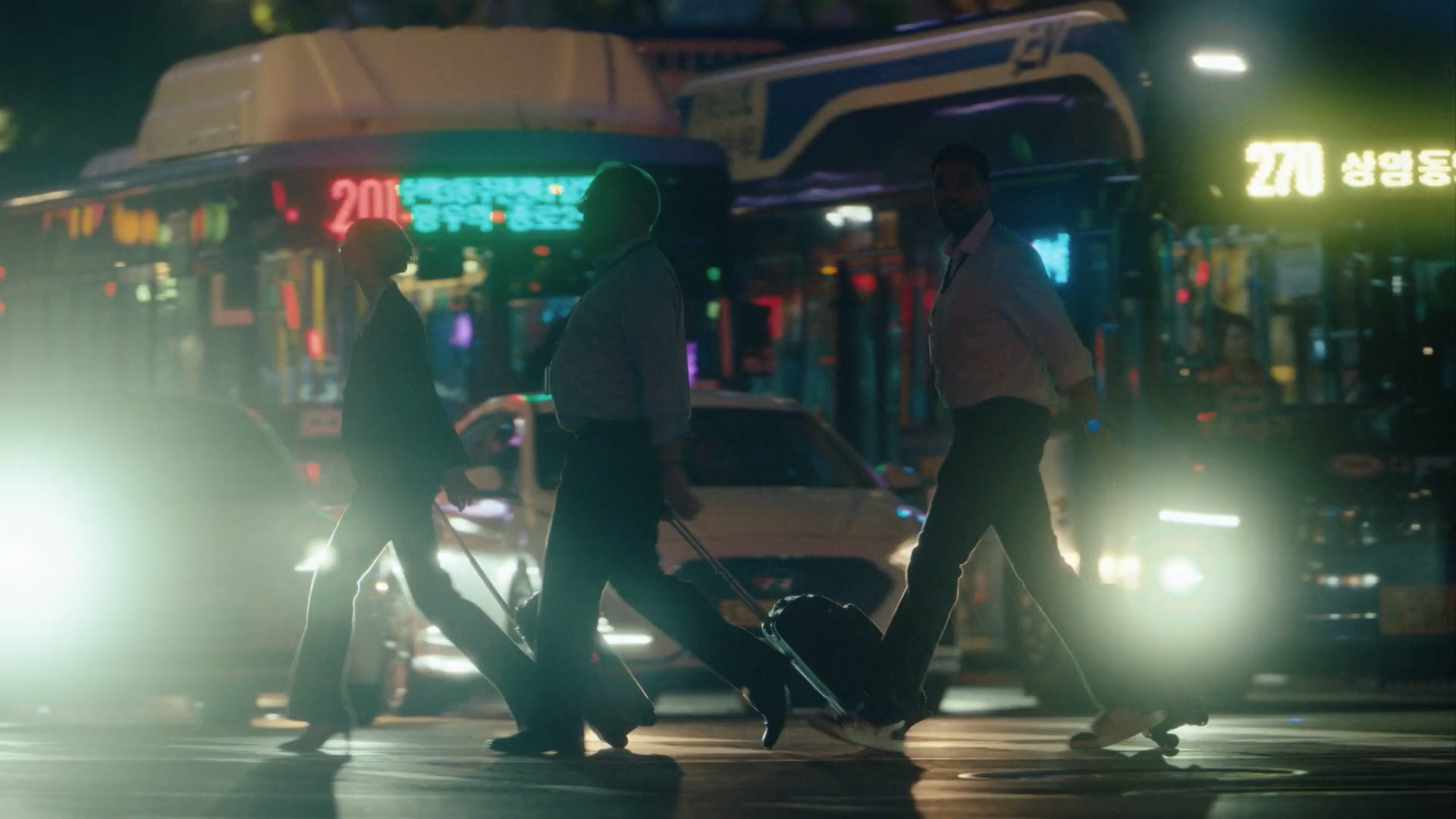
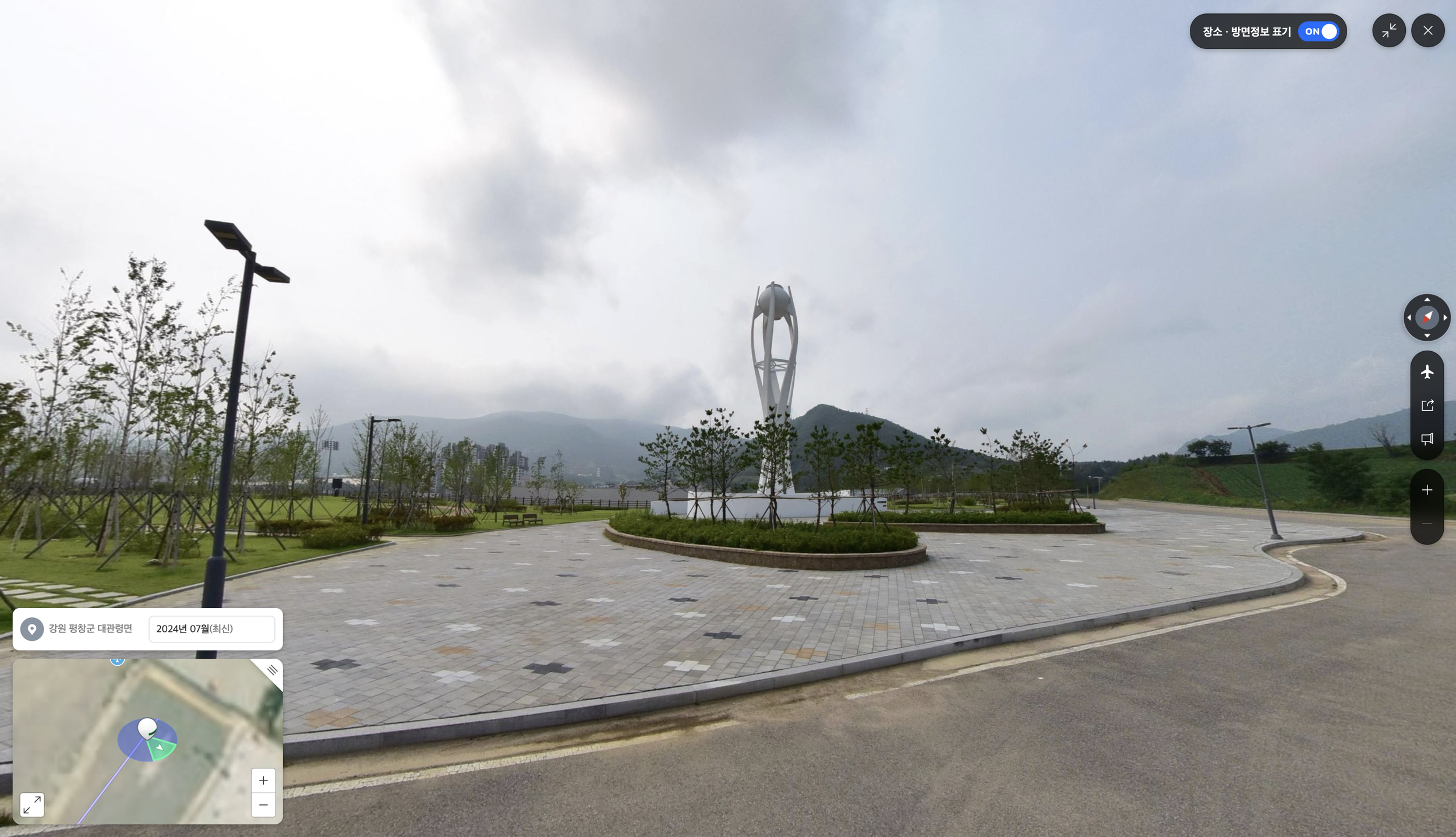
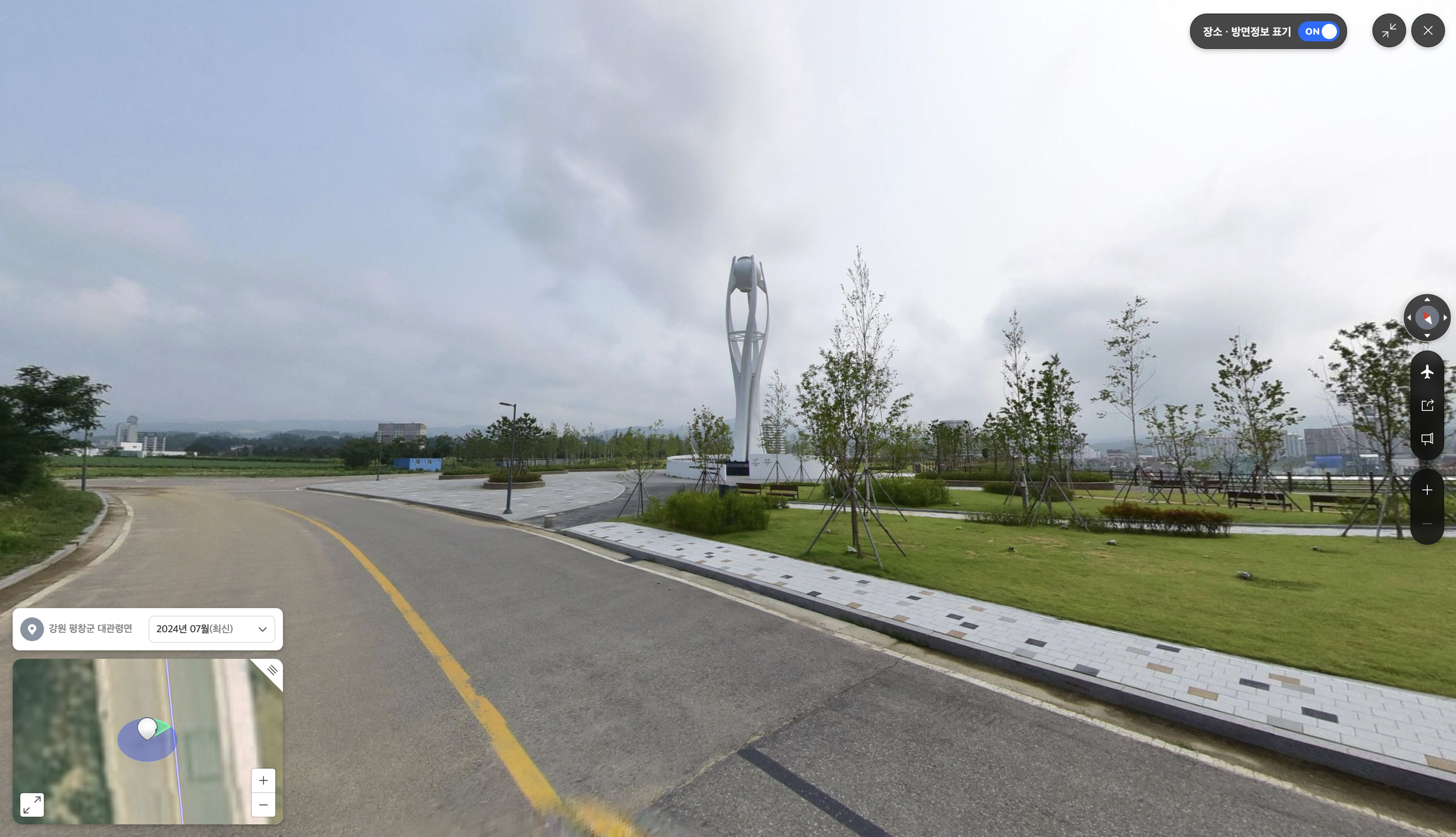
Online map tools, satellite imagery, street-level views, social media, websites, and other online images allow us to quickly research potential locations. This process, often referred to as a virtual recce, is an efficient way to identify possibilities before investing time in physical visits.
Street-level imagery can help us understand the surrounding environment and access points. Satellite views can provide a broader understanding of the area, including nearby roads, parking, buildings, and potential space for production vehicles.
Online photographs and videos can offer an initial impression of the interior or exterior appearance of a location. We may also contact businesses, property owners, administrators, or institutions to request additional images and information.
However, a virtual recce can only tell us so much.
Images may be outdated. The surrounding environment may have changed. A room may look very different from the angles presented online. Noise, lighting, access, and many other practical factors are difficult to assess remotely.
That is why an in-person location scout remains essential.
NAVER MAPS STREETVIEW
Pyeongchang Olympic Cauldron
Contacting the People Responsible for the Location
Before visiting a potential location, we often need to communicate with the people who own, operate, or manage it.
This may involve a private business owner, a building manager, an institutional administrator, a public organization, or another party responsible for granting access.
The initial conversation helps establish whether filming is possible and what conditions may apply.
We discuss the nature of the production, the expected crew size, filming schedule, equipment requirements, and whether the production is commercial or editorial in nature. Depending on the location, filming may require a formal permit, a location agreement, or the temporary rental of the space.
These conversations are an important part of the scouting process.
A location may appear ideal online but have restrictions that make it impossible to use. The owner may not permit commercial filming. An institution may have strict limitations on access. A business may only allow filming outside of operating hours.
Establishing these conditions early allows us to focus on locations that are both visually suitable and practically available.
Seeing the Location in Person
Once a location is identified as a strong candidate and filming access appears possible, we visit in person.
This is where the production team can evaluate the location properly.
A physical scout allows us to experience the space as the crew and camera will experience it. We can walk through entrances and hallways, assess the layout, listen to the environment, evaluate available light, and identify potential camera positions.
What looked perfect online may reveal significant limitations.
At the same time, a location that appears ordinary in photographs may have unexpected potential once we see it through a camera.
An in-person scout allows us to make these discoveries before the shoot rather than on the day when time is more limited and the full crew is waiting.
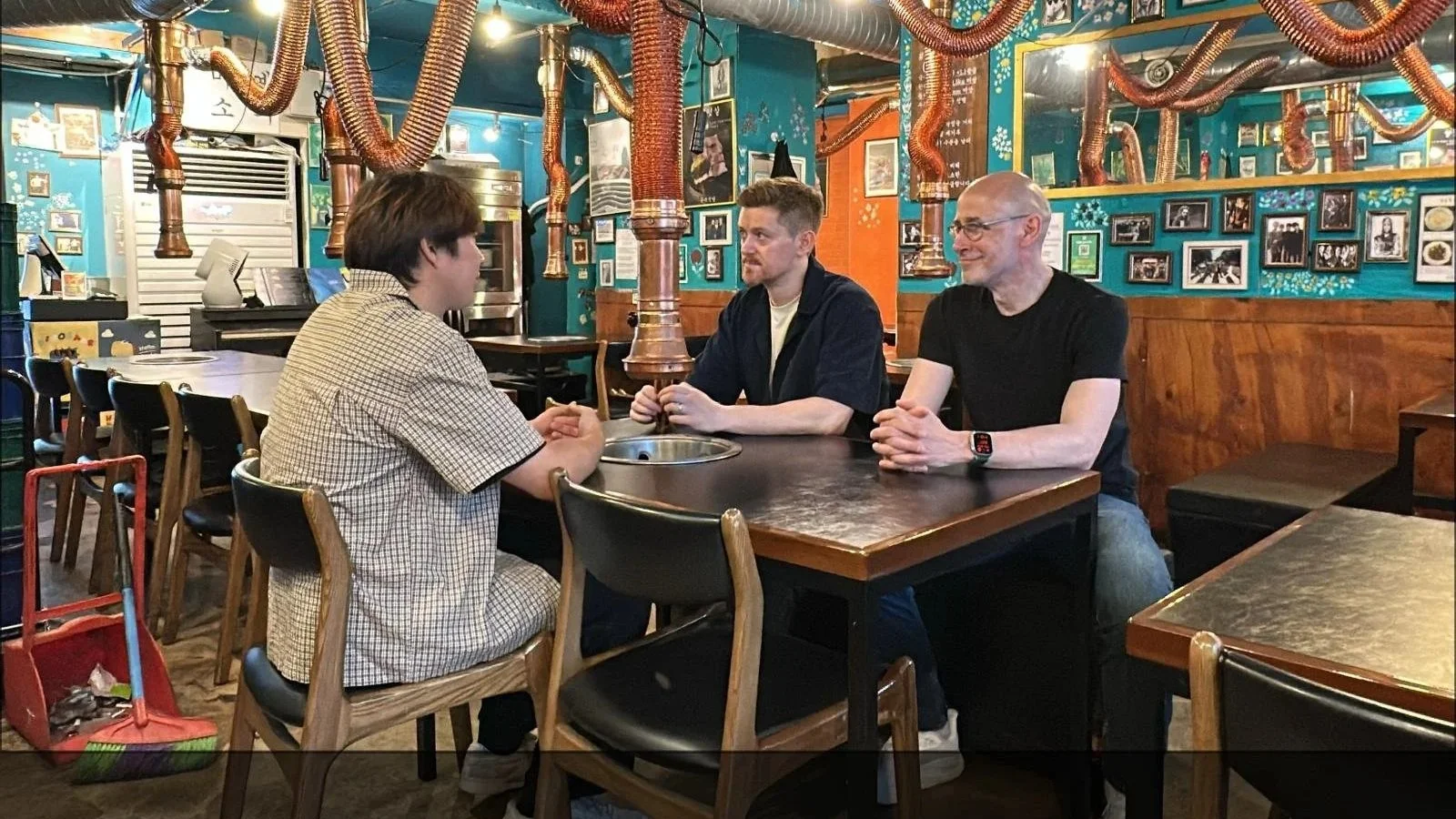
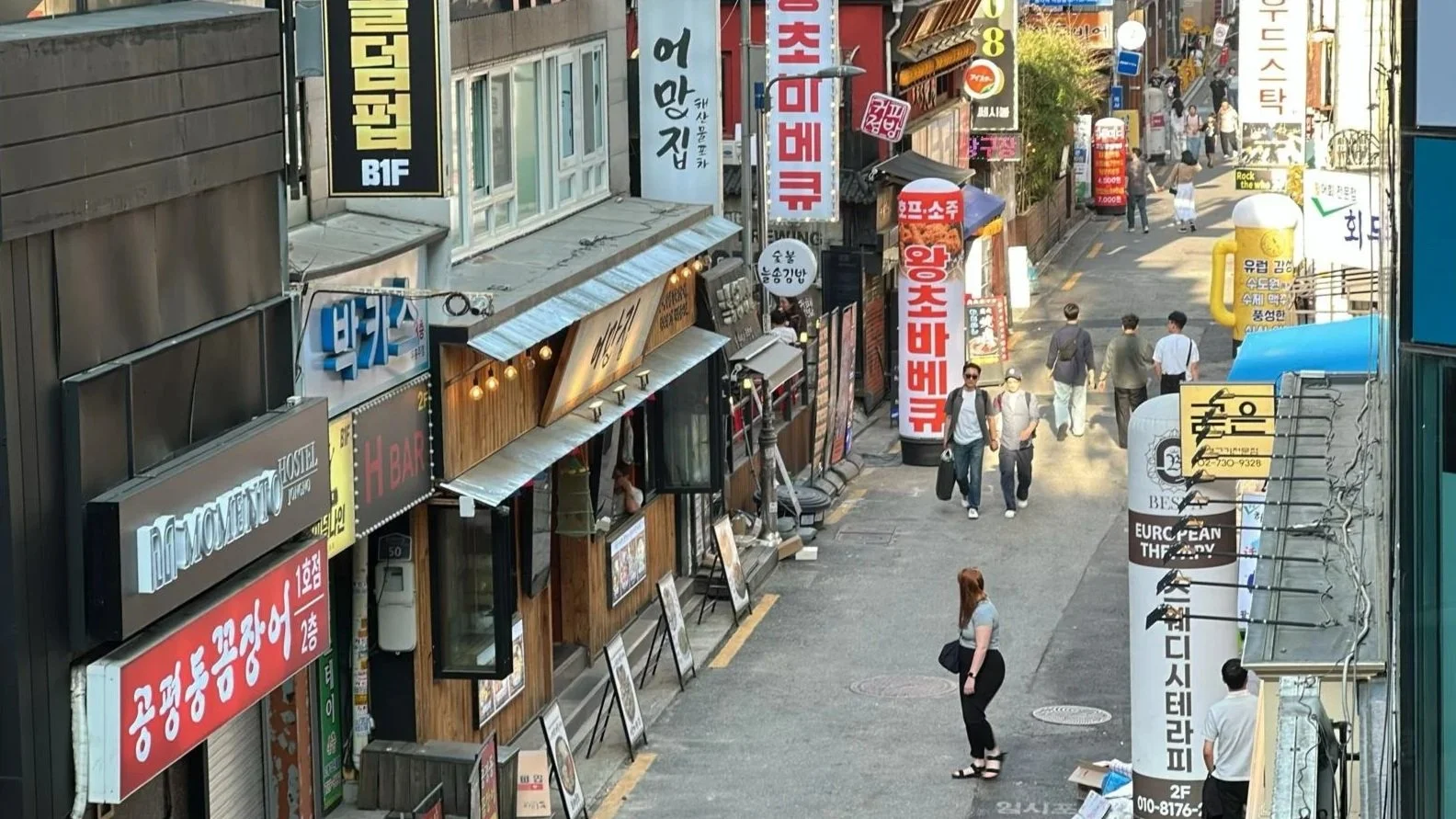
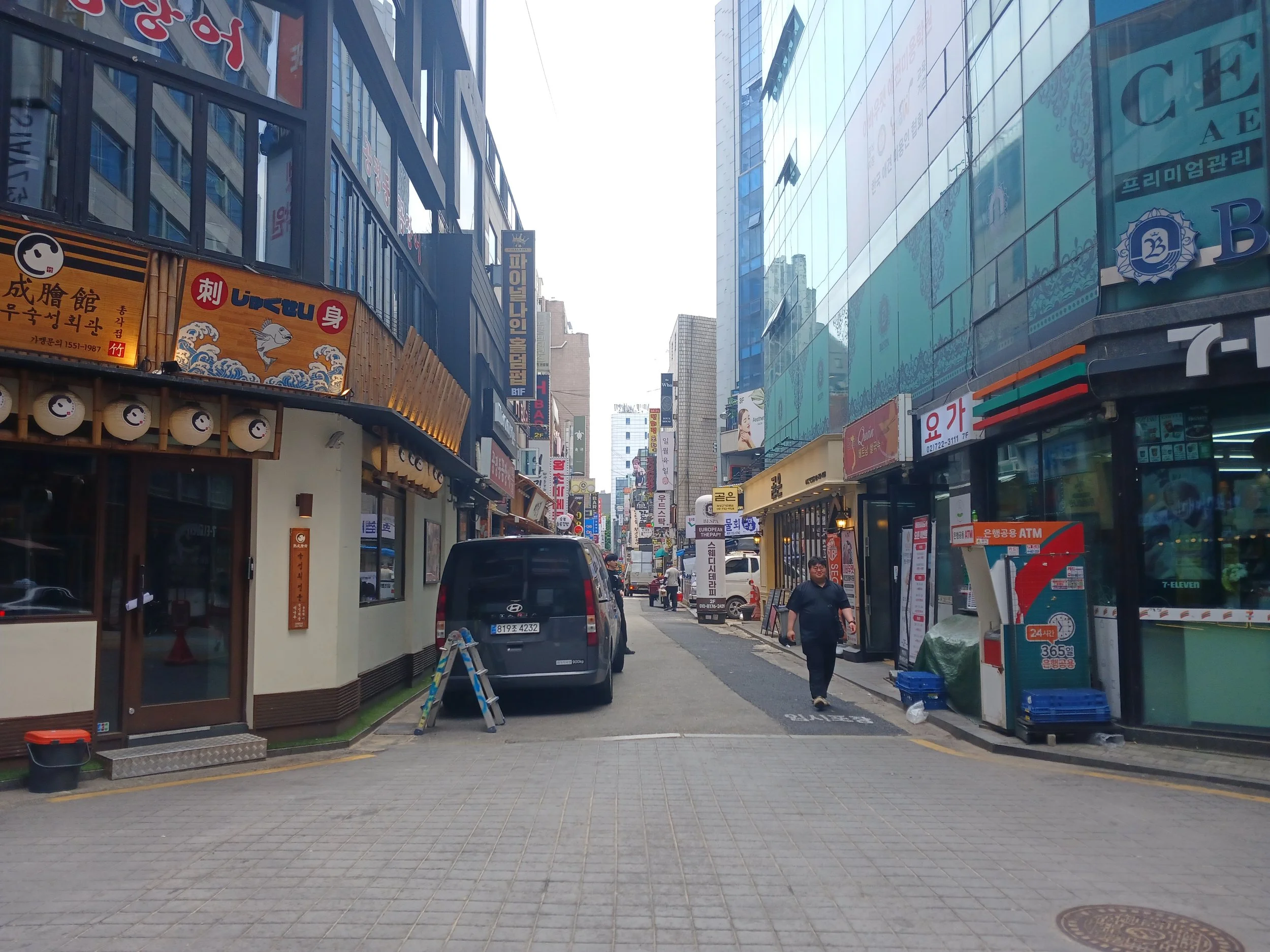
RECCE PHOTOS VS WHAT WE FILMED
BankAxept Commercial
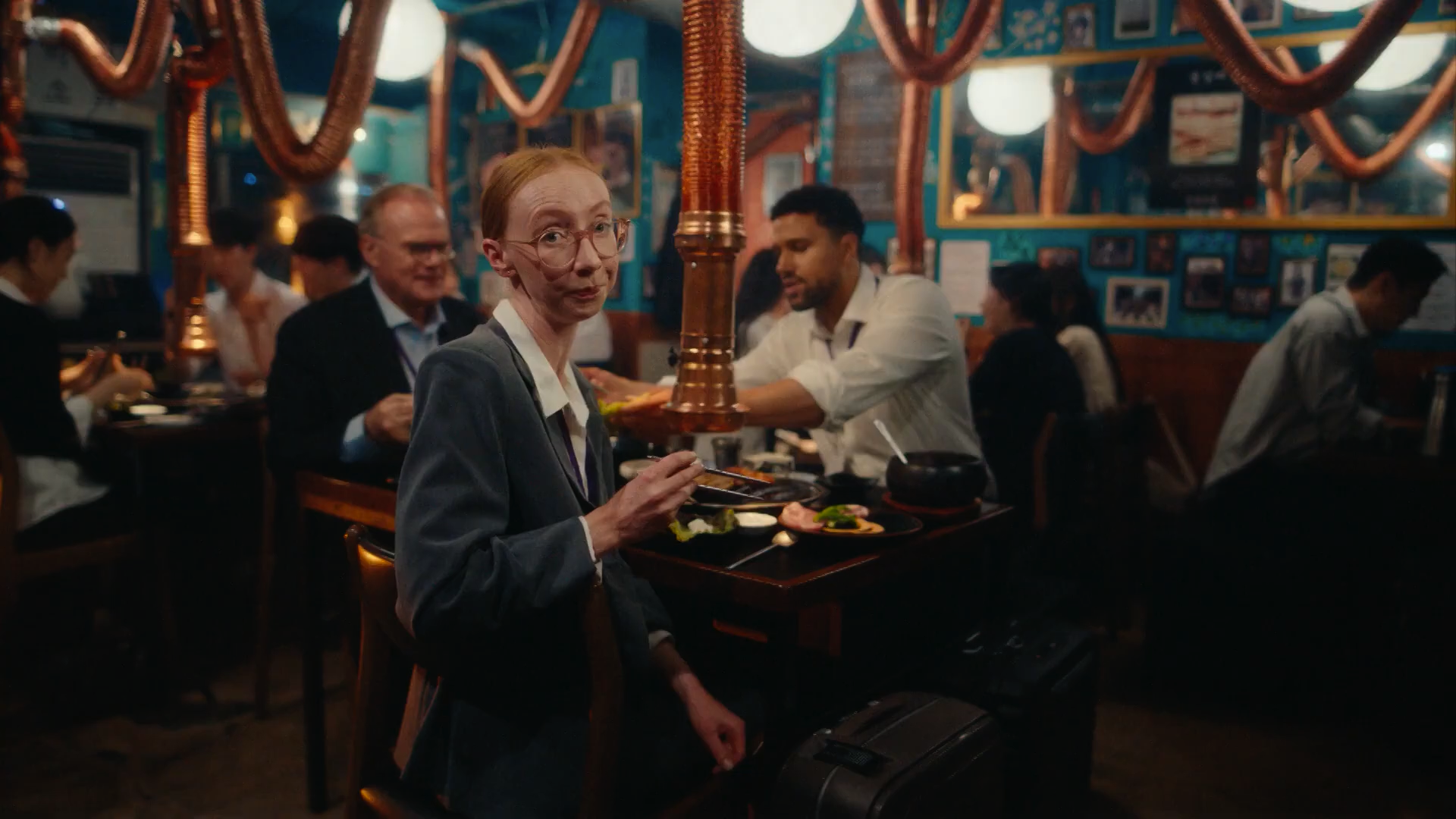
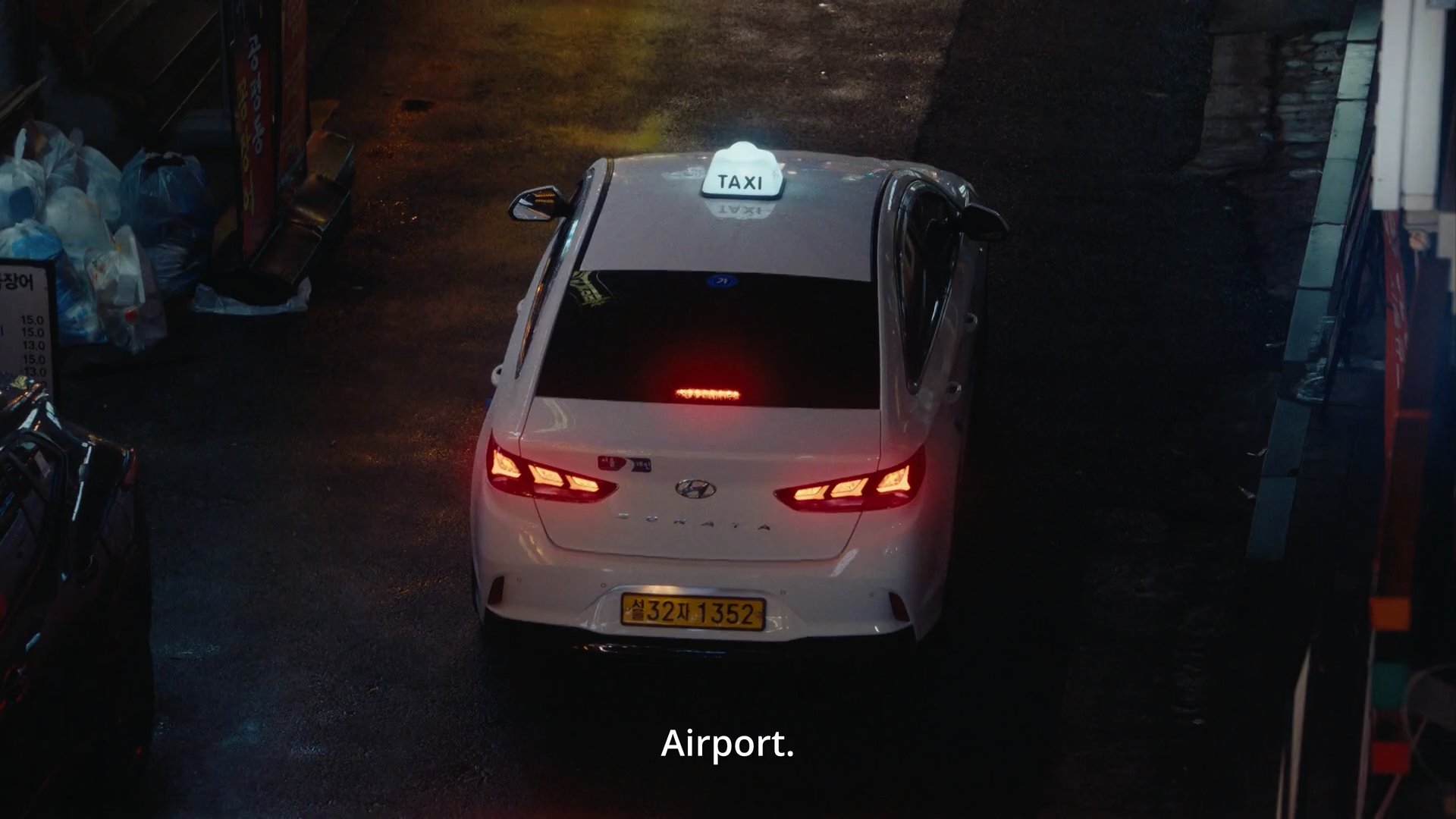
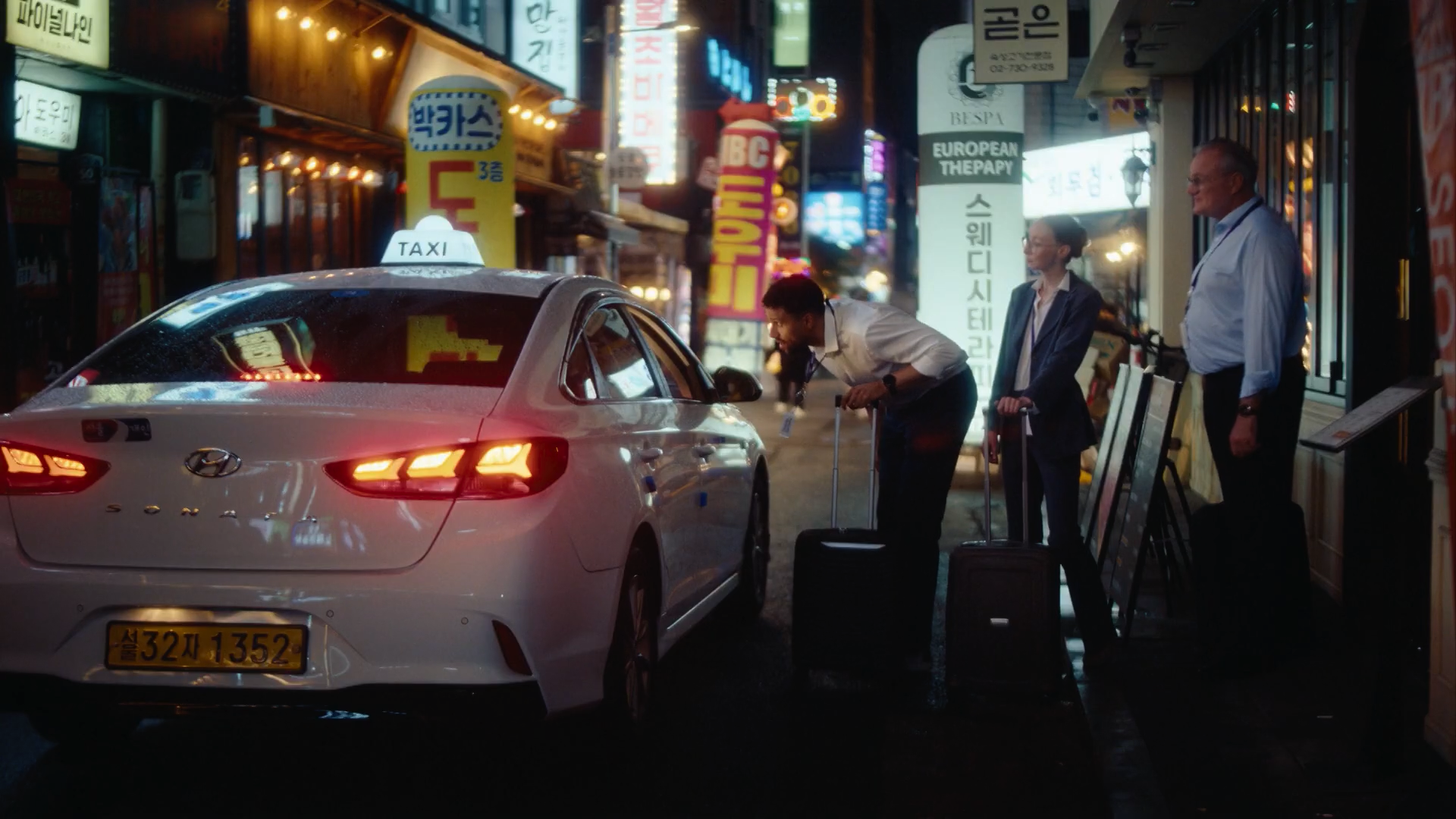
Evaluating the Visual Potential
One of the most obvious elements of a location scout is assessing how the location looks.
We consider the overall aesthetic, architecture, layout, colours, materials, and background elements. We identify potential camera angles and evaluate whether the space supports the creative references provided by the client.
Lighting is also a major consideration.
We assess the amount and direction of natural light, the existing practical lighting, and how the location changes throughout the day. We consider whether windows can be covered, whether existing lights can be switched off, and where additional lighting could be placed.
A visually suitable location must also be flexible enough to support the intended shoot.
Can furniture or other objects be moved? Can a particular area be modified? Are there restrictions around what can and cannot be changed? Is there enough space to position cameras and lighting while still creating the composition the client expects?
These details are much easier to understand in person.
RECCE PHOTOS VS WHAT WE FILMED
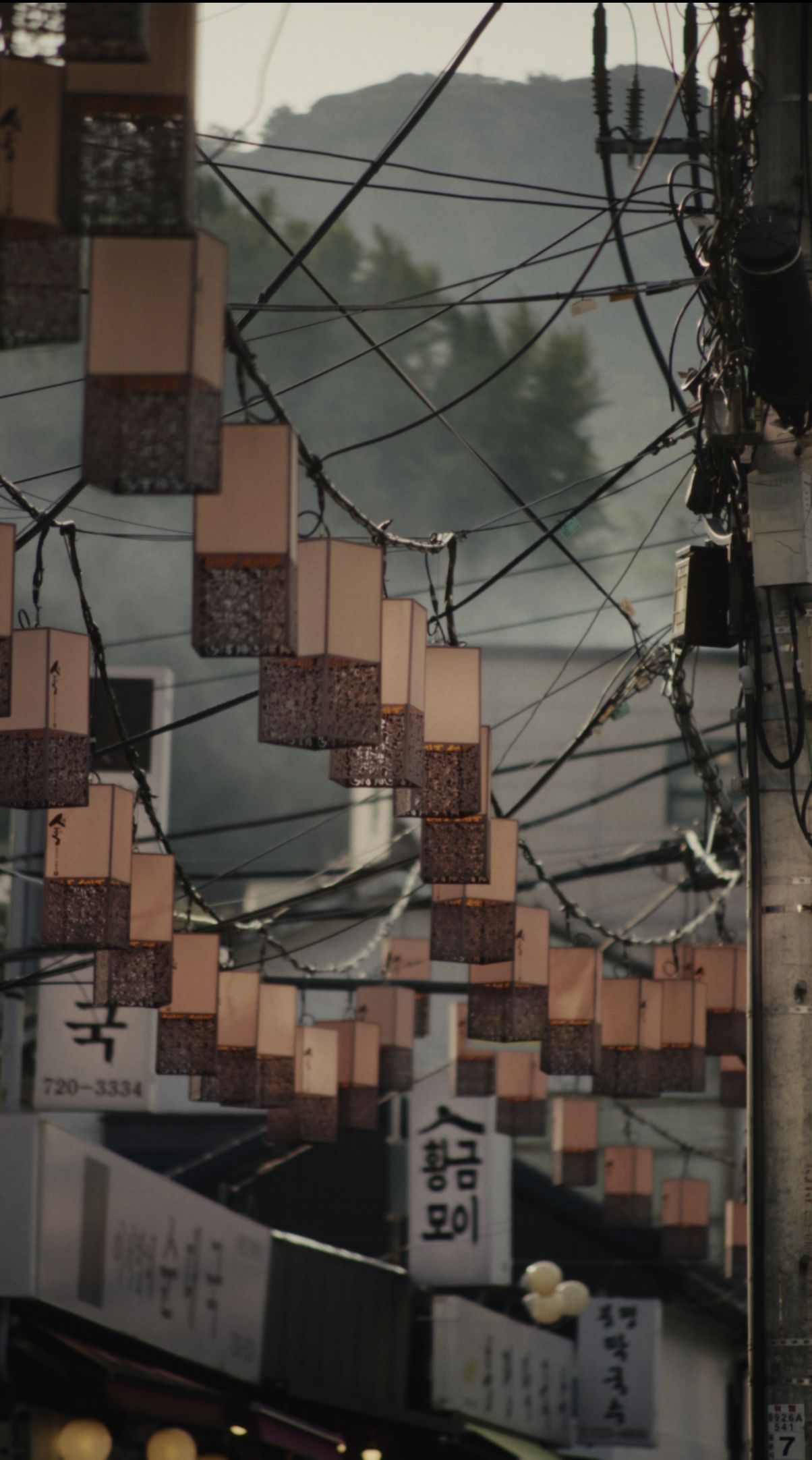
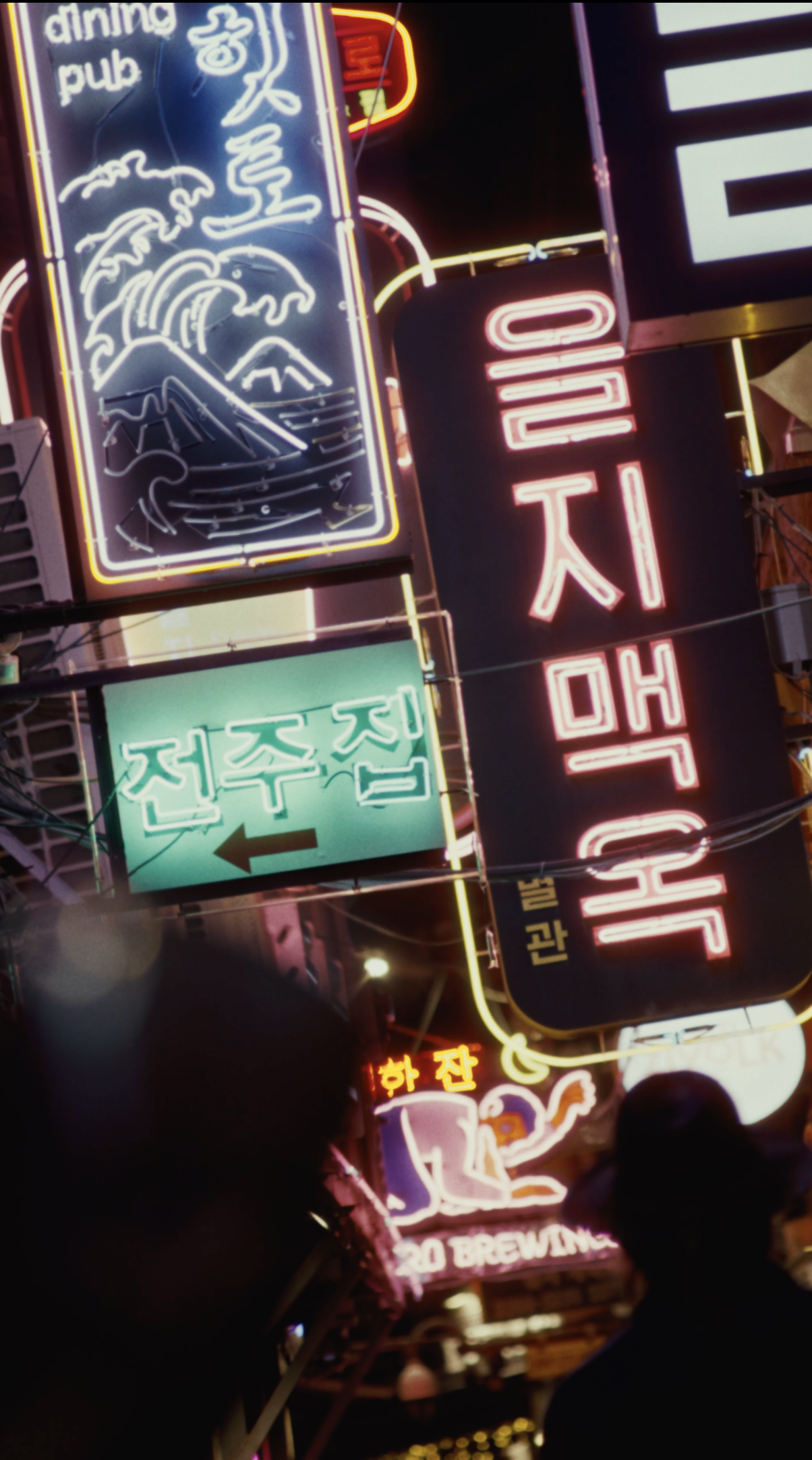
British Museum Korea Exhibition Video
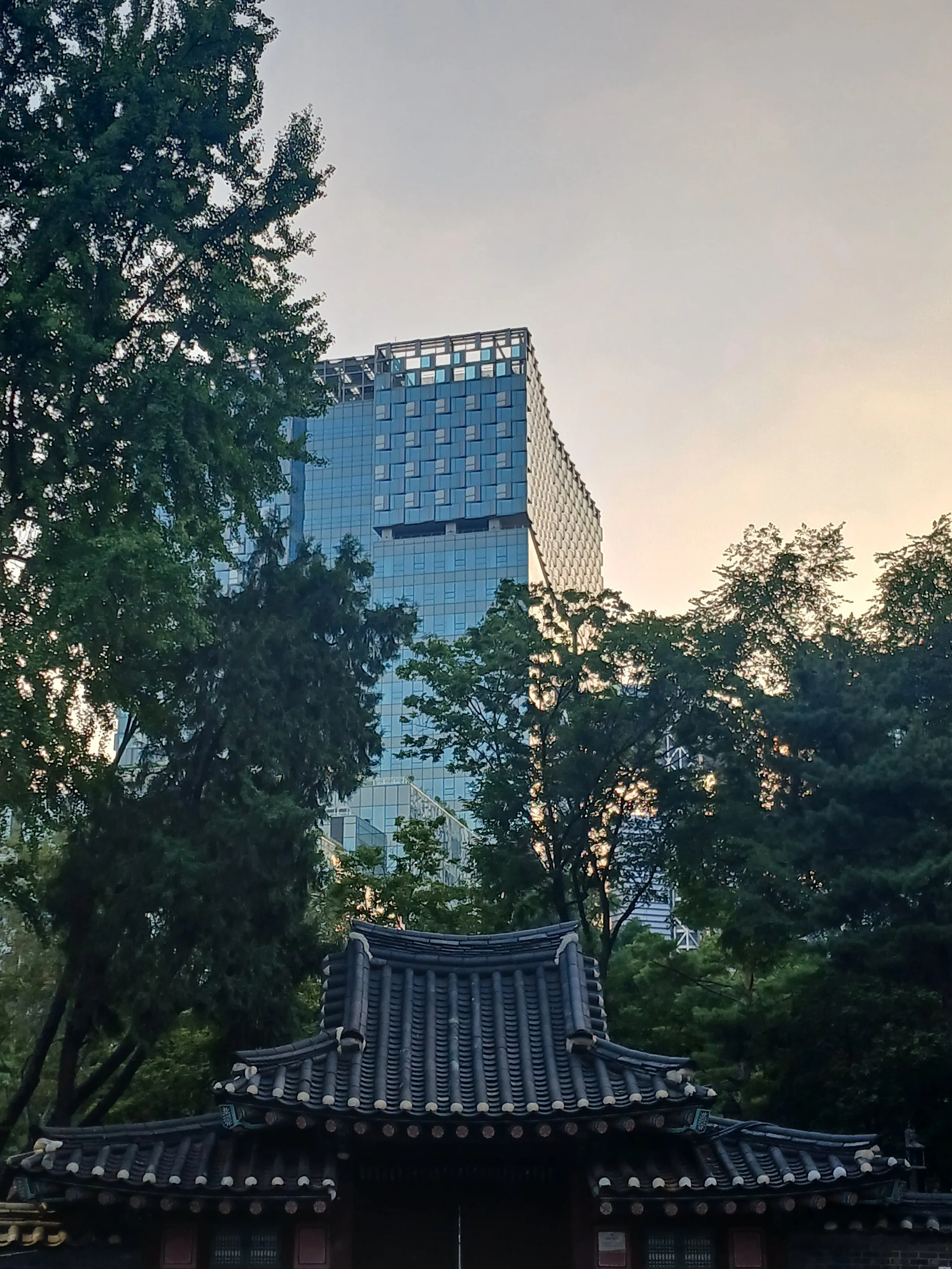
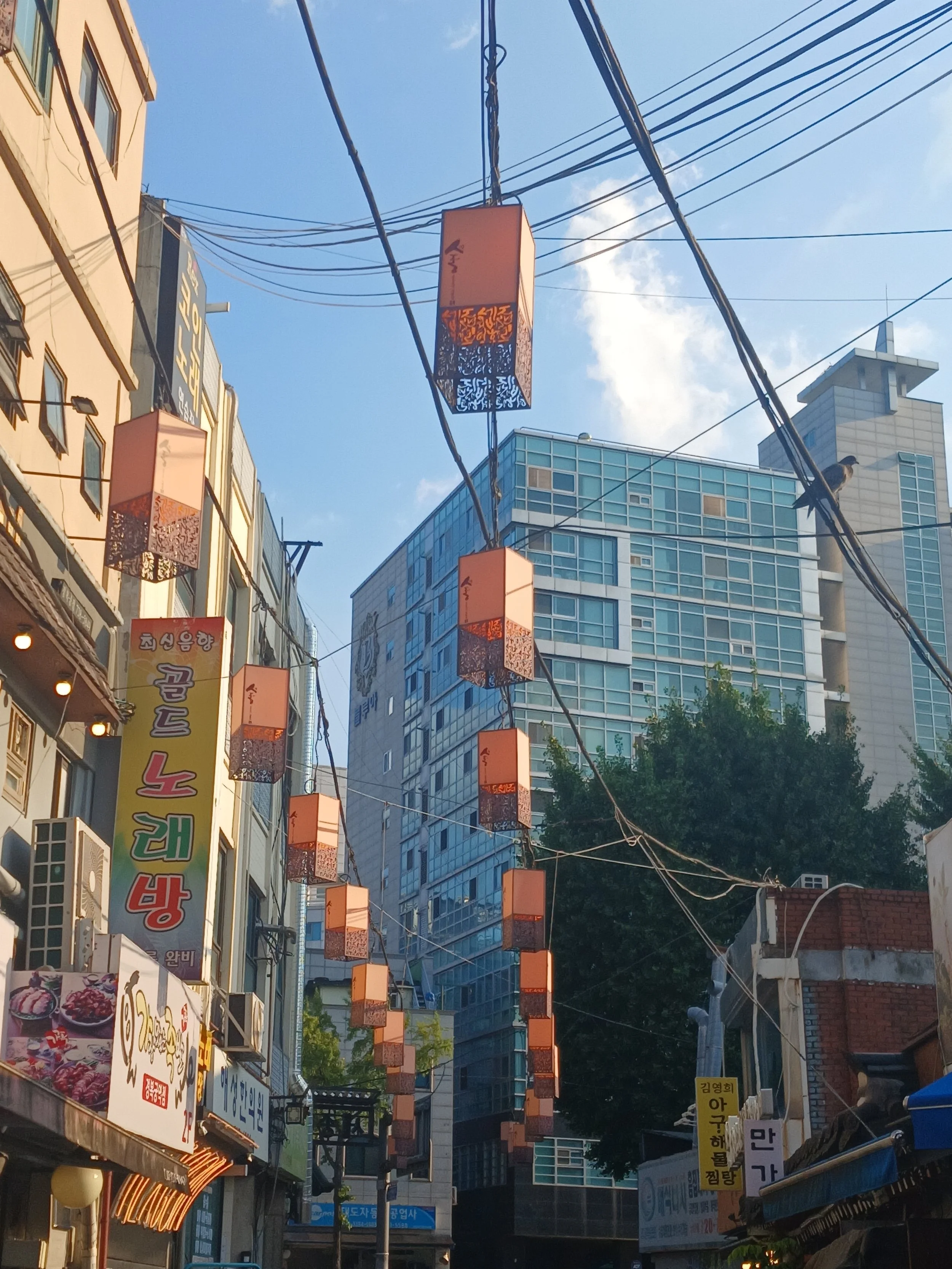
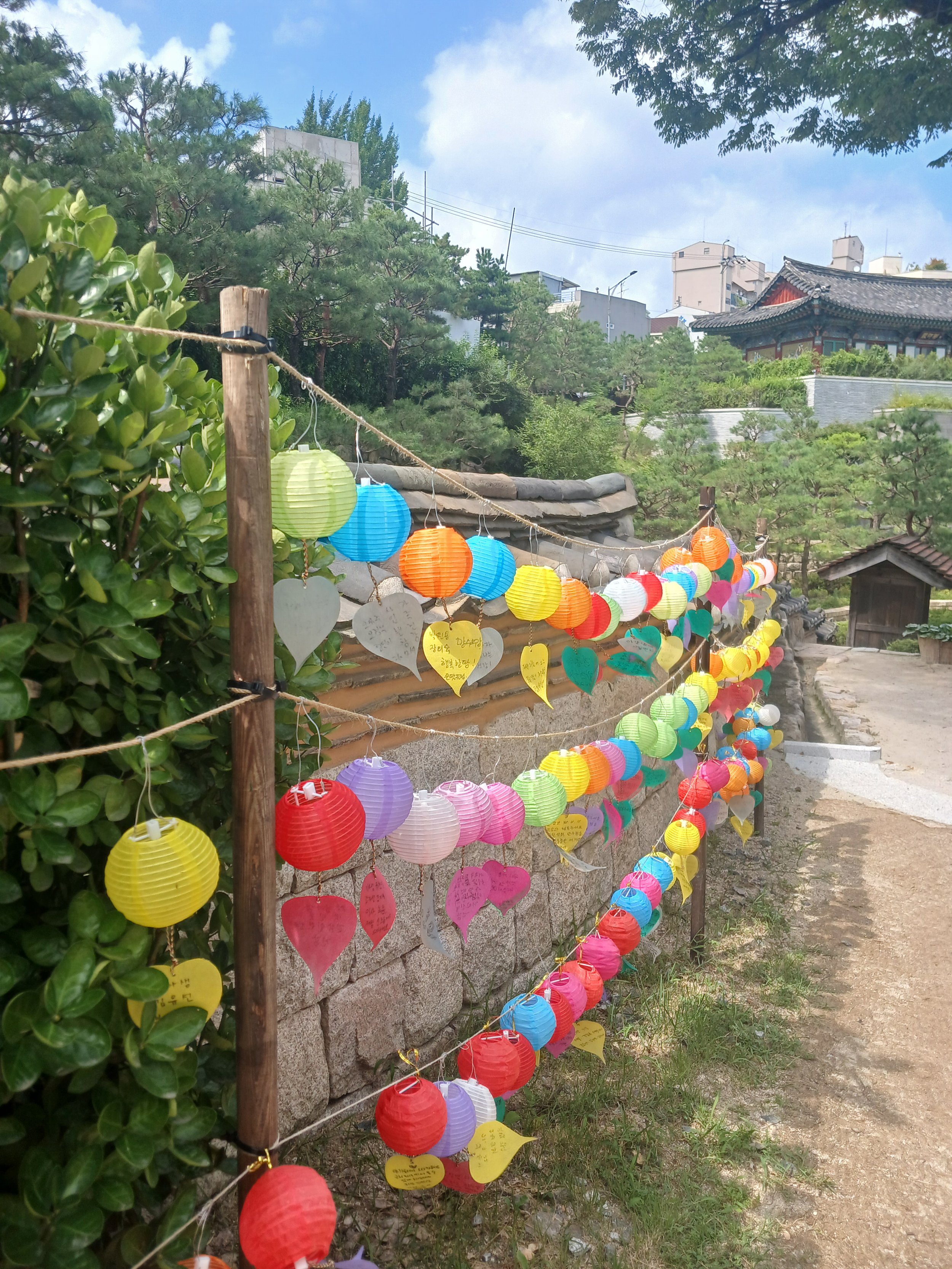
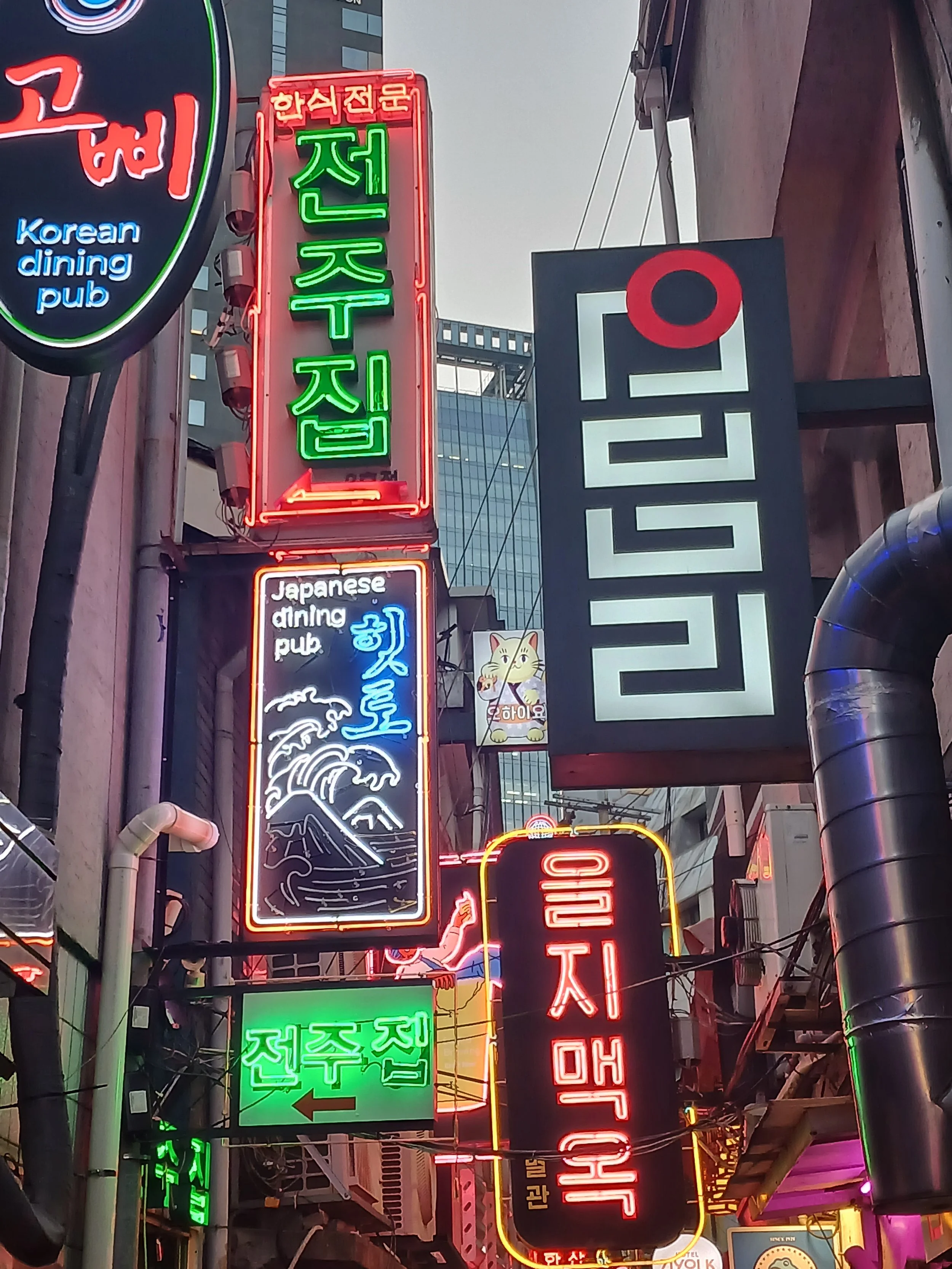
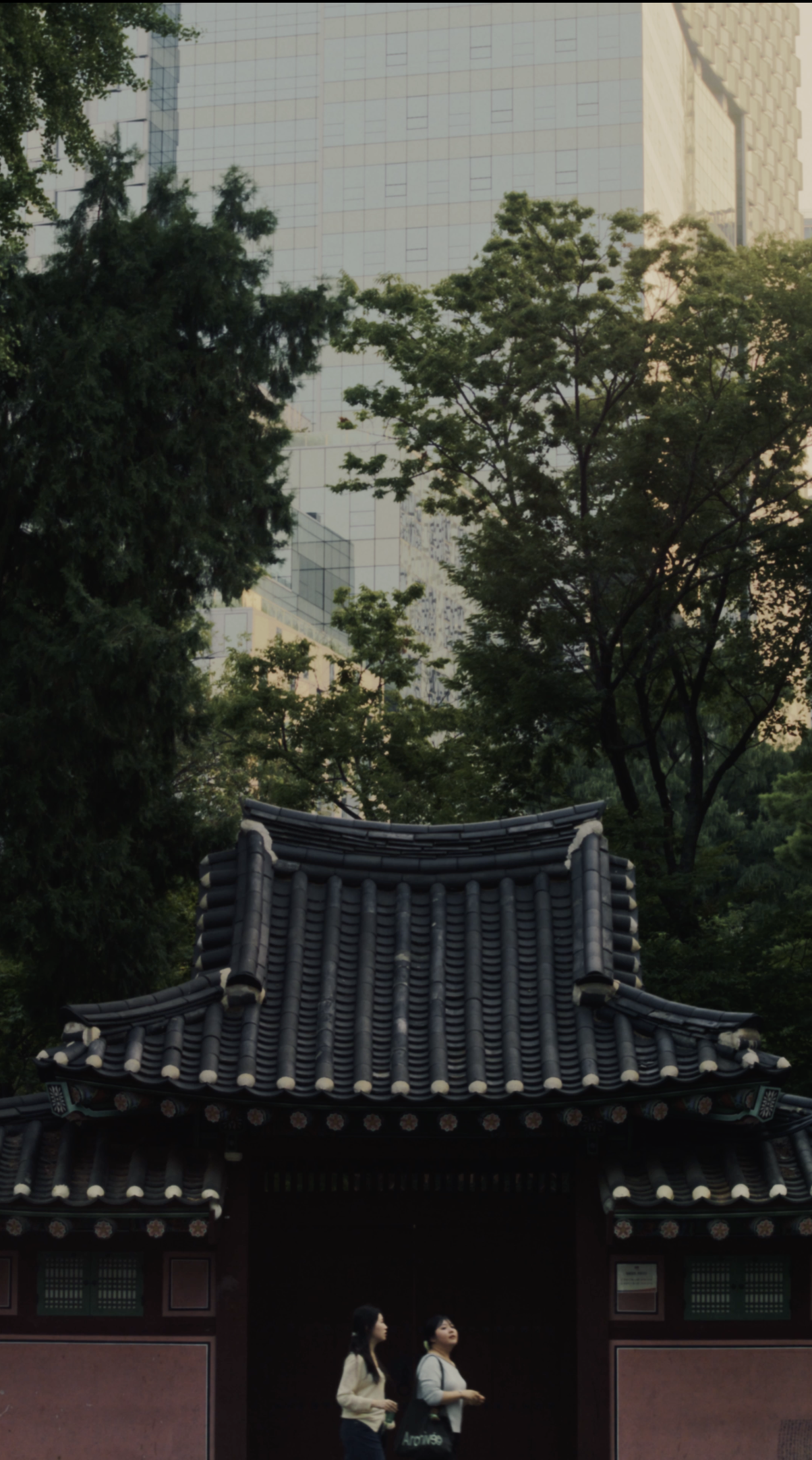

Assessing the Sound Environment
Sound is another area where photographs provide almost no useful information.
A visually perfect location can become extremely difficult to film if it is surrounded by traffic, construction, machinery, air-conditioning systems, elevators, or other sources of constant noise.
During a scout, we listen.
We assess outside noise, interior noise, electrical or mechanical humming, nearby equipment, and other environmental sounds that could affect interviews or dialogue.
We also identify what can be controlled.
Can air-conditioning units be switched off during takes? Can a refrigerator, machine, or ventilation system be temporarily shut down? Does nearby construction operate at particular times of the day? Are there periods when the location is quieter?
Understanding these factors in advance allows us to plan the shoot around the sound environment rather than discovering the problem after production has already begun.
Understanding the Logistics
A location must also work practically.
A space can look perfect while being almost impossible to operate within.
During a scout, we consider how the crew, talent, and equipment will enter and move through the location. We check access routes, elevators, staircases, doors, hallways, and loading areas.
Can the camera package fit through the entrance? Can lighting equipment be brought upstairs? Is there space for equipment cases? Can production vehicles park nearby? Is the location close enough for a crew to move efficiently between the basecamp and the set?
We also assess the amount of working space available.
Is there enough room for the required crew? Where can hair and makeup work? Where can talent wait? Is there an area for equipment and cases? Are bathrooms available? Is there a suitable space for the production team to operate?
These may seem like small details, but they can significantly affect the speed and efficiency of a shoot.
Checking Technical Requirements
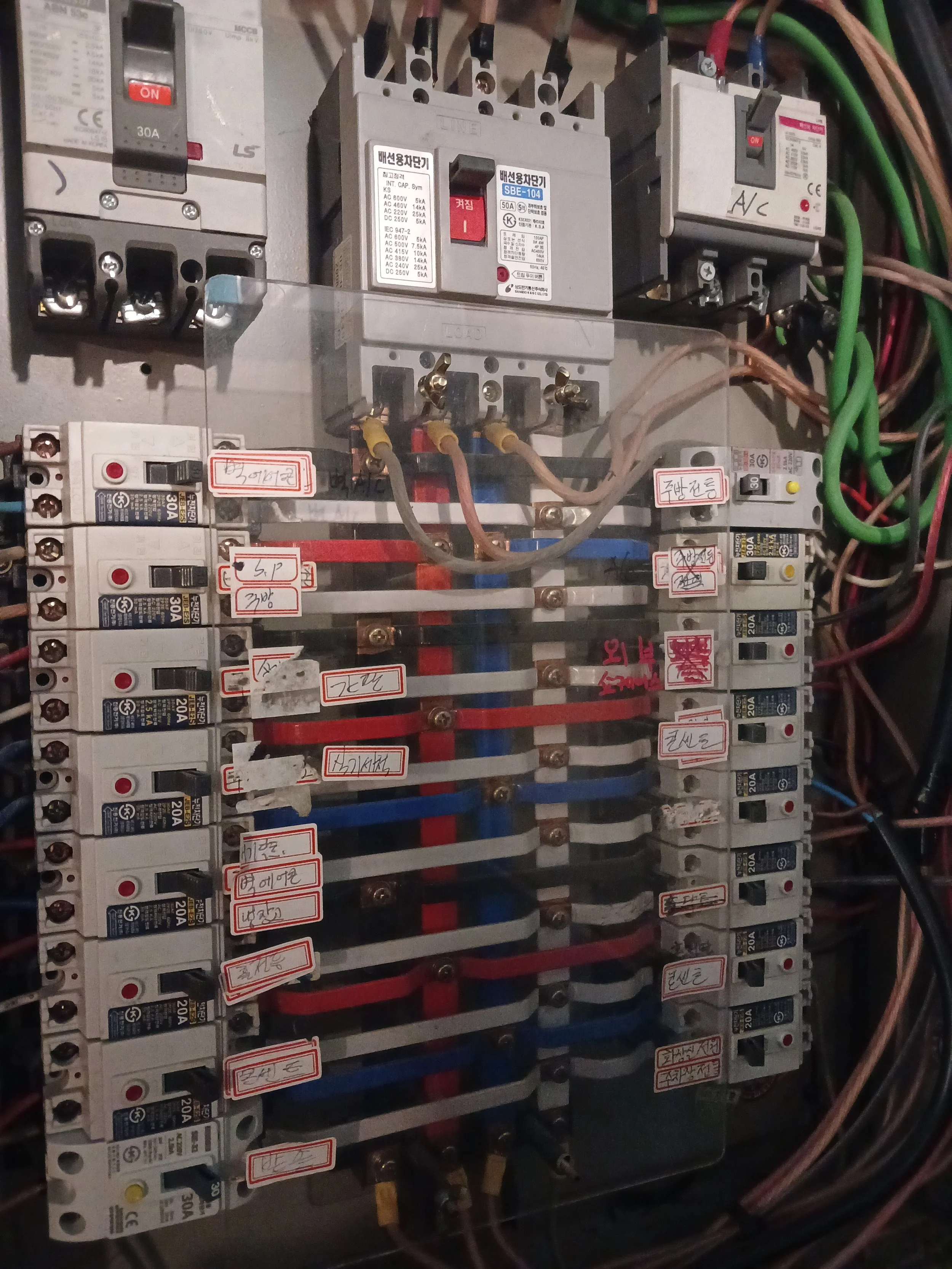
Location scouts also help us identify technical requirements before the equipment arrives.
We check the availability and position of electrical outlets. We consider the capacity of the power supply and whether additional power distribution or generators may be required.
We look at ceiling heights, potential lighting positions, available rigging points, and the amount of space available for stands and other equipment.
Windows, doors, and access points may also affect the technical approach. A large window may be essential to a visual composition, while also creating challenges for controlling exposure or bringing in equipment.
Understanding these details allows the production team to create a more accurate equipment list and avoid unnecessary surprises on set.
Understanding the Cost of the Location
A suitable location must also fit within the project’s budget.
The cost of filming may involve more than simply renting the space.
Depending on the location, there may be location fees, permit costs, overtime charges, security requirements, cleaning fees, administrative costs, or additional charges for filming during specific hours.
A public or institutional location may have a complex permit process, while a private business may charge for exclusive access or lost revenue during normal operating hours.
Part of the location scouting process is understanding these costs early and communicating them clearly to the client.
The ideal location is not simply the most visually impressive one. It is the location that provides the best overall balance between creative value, practical requirements, and budget.
Planning the Shoot Before the Shoot
One of the most valuable outcomes of a location scout is that it allows us to begin planning the production in detail before shoot day.
Once we understand the space, we can begin planning camera positions, lighting placement, equipment access, crew movement, and the order of filming.
We can photograph and measure important areas, discuss possible setups with the client and creative team, and identify issues that require further solutions.
A director or DOP may develop a more precise shot list after seeing the location. The production team can refine the schedule based on travel and access requirements. The lighting department can prepare for the specific conditions of the space.
The location scout therefore becomes more than a search for a place to film.
It becomes the foundation for planning how the production will actually work.
RECCE PHOTOS VS WHAT WE FILMED
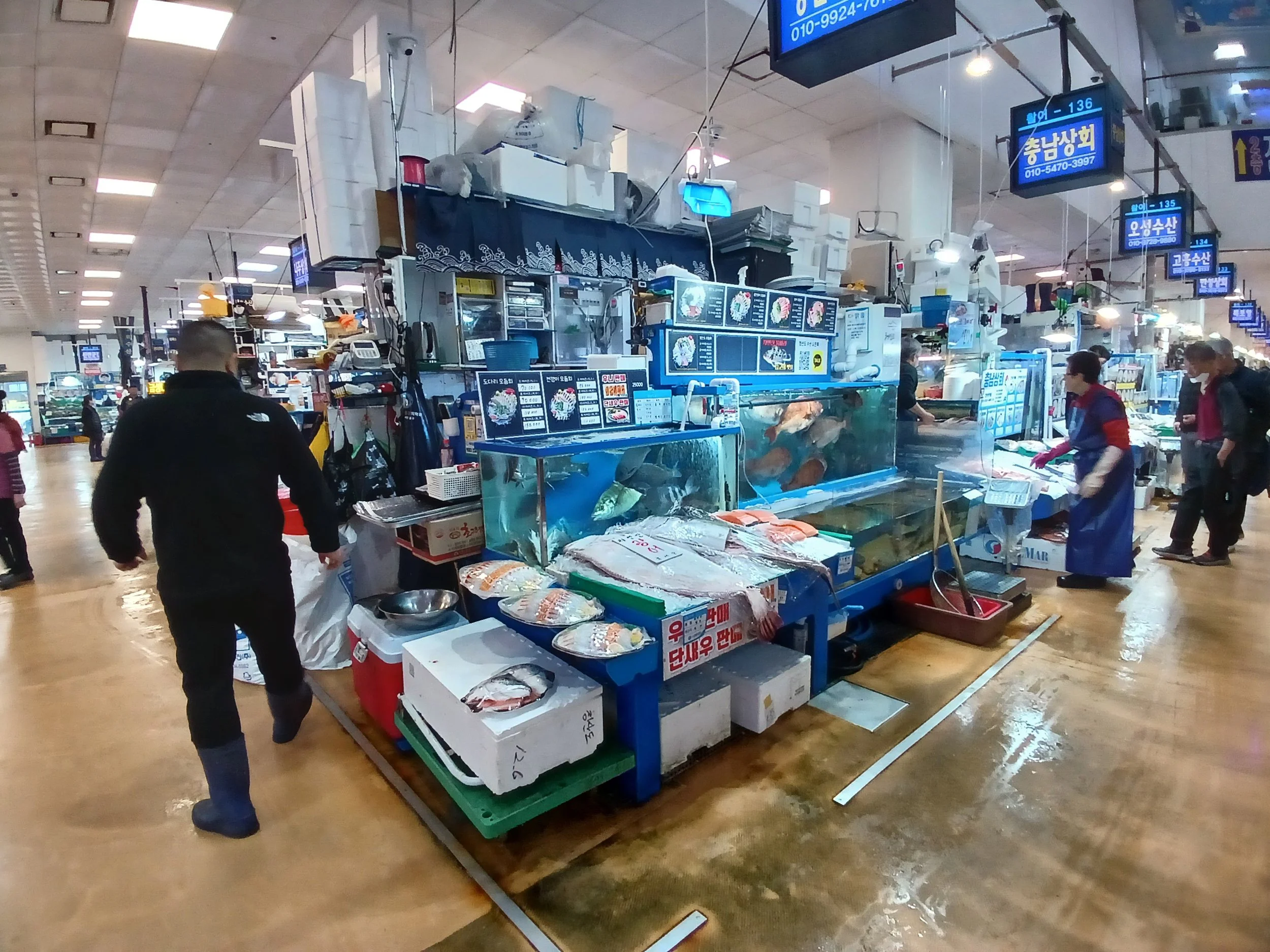
Billboard News
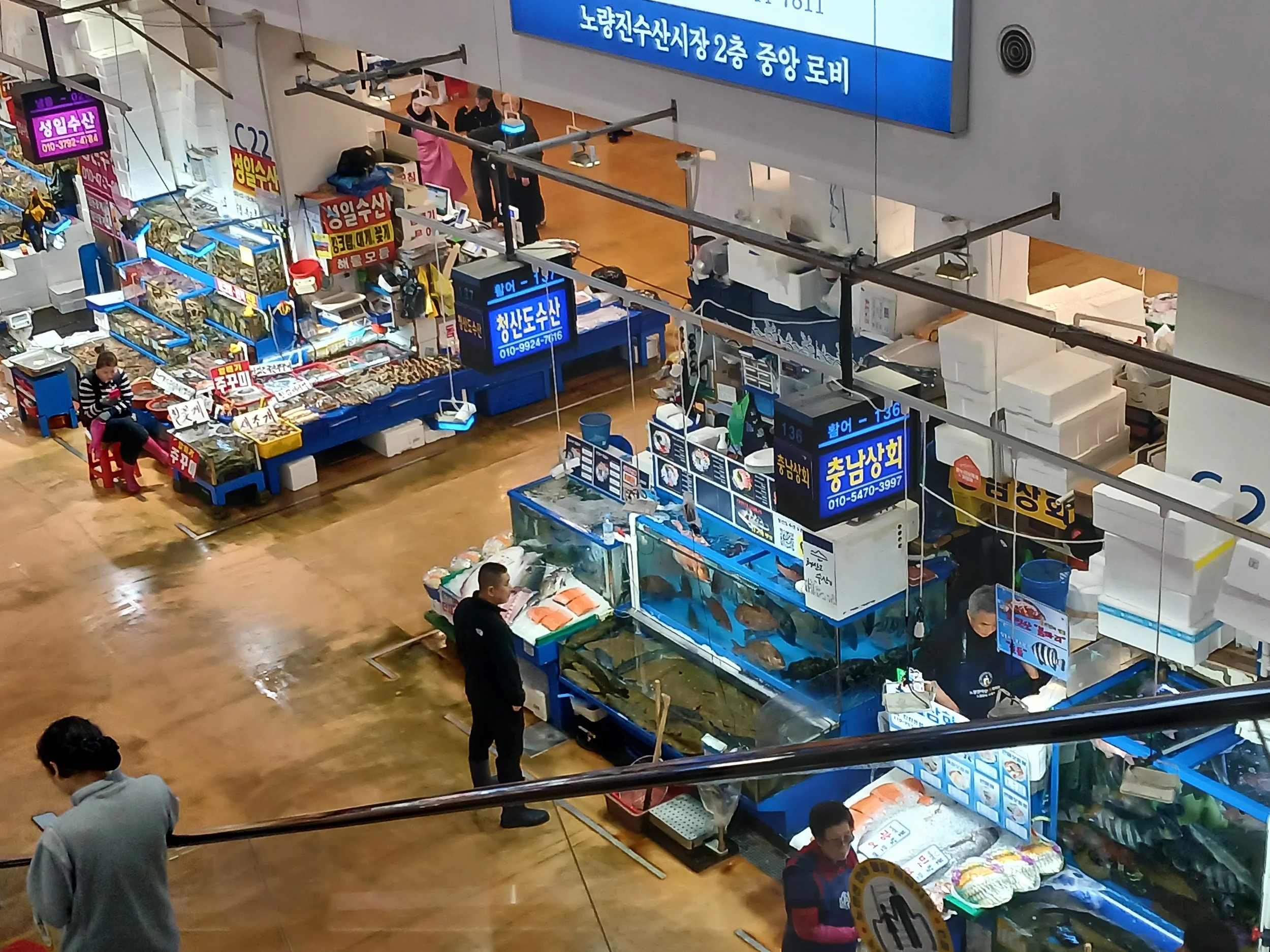
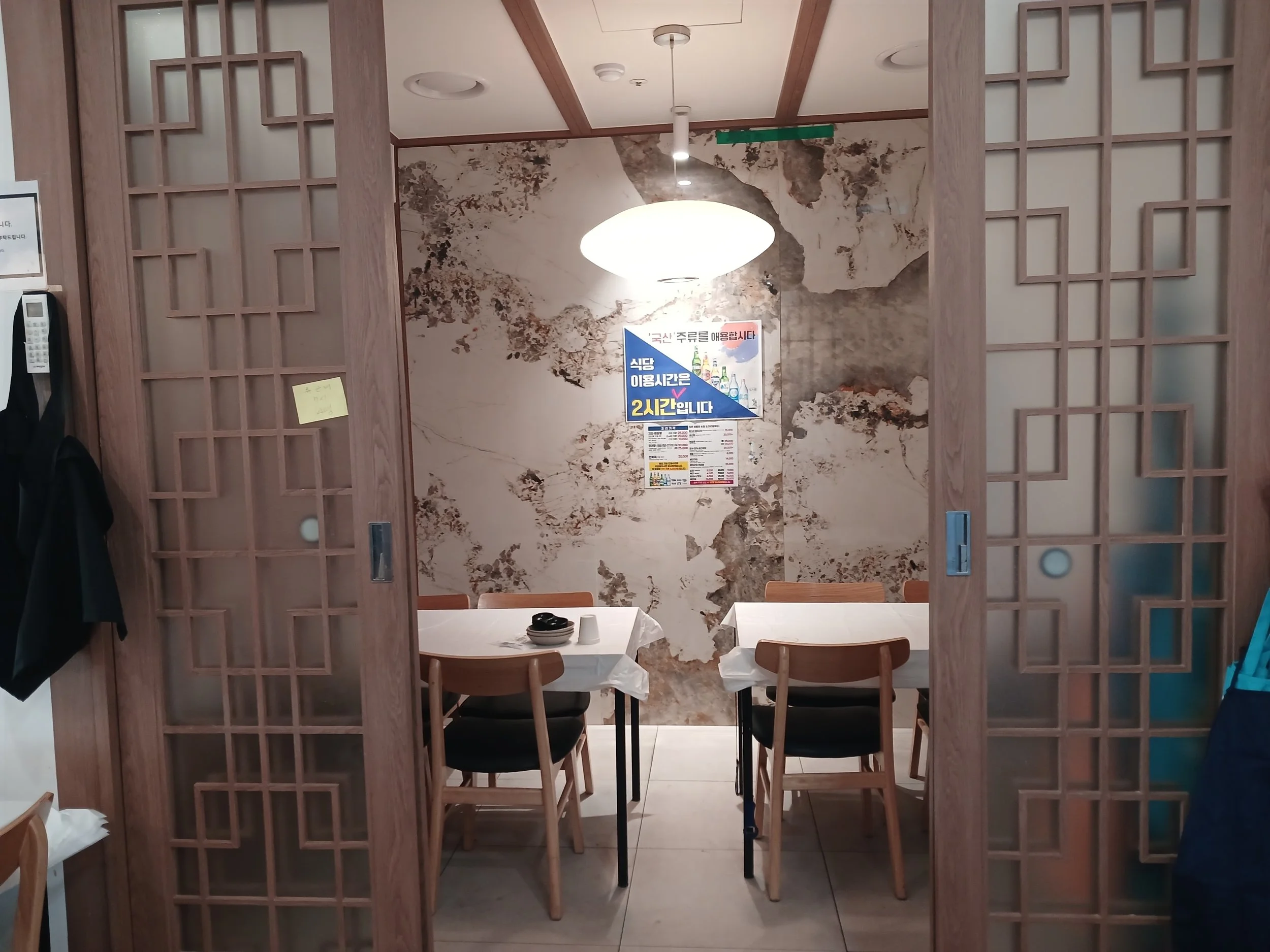


Identifying Problems While There Is Still Time to Solve Them
The greatest value of a location scout is often discovering problems.
A difficult location does not necessarily need to be rejected. Some problems can be solved with additional equipment, changes to the schedule, or adjustments to the creative approach.
But these solutions are far easier to implement before the crew arrives.
A scout gives us the opportunity to identify risks early. We can recognize a sound issue, an access problem, a lack of space, a lighting limitation, or an unexpected cost while there is still time to make a decision.
This allows us to solve problems proactively rather than reactively.
On a professional production, the location scout is part of how we reduce uncertainty.
Finding More Than a Place to Film
For Moktan, a location scout is both a creative and practical process.
It is where we begin translating an idea from a treatment, reference image, or storyboard into a real environment. It allows us to evaluate whether a location can support the creative vision while also functioning as a working production space.
The process combines online research, communication with owners and administrators, virtual recce work, and detailed in-person evaluation.
We assess how the location looks. We listen to how it sounds. We consider how people and equipment will move through it. We examine its technical limitations and calculate its financial requirements.
Most importantly, we use the information gained from the scout to plan ahead.
The right location can elevate a production. The wrong location can create unnecessary challenges.
Finding the difference before the cameras roll is one of the most important parts of pre-production.
